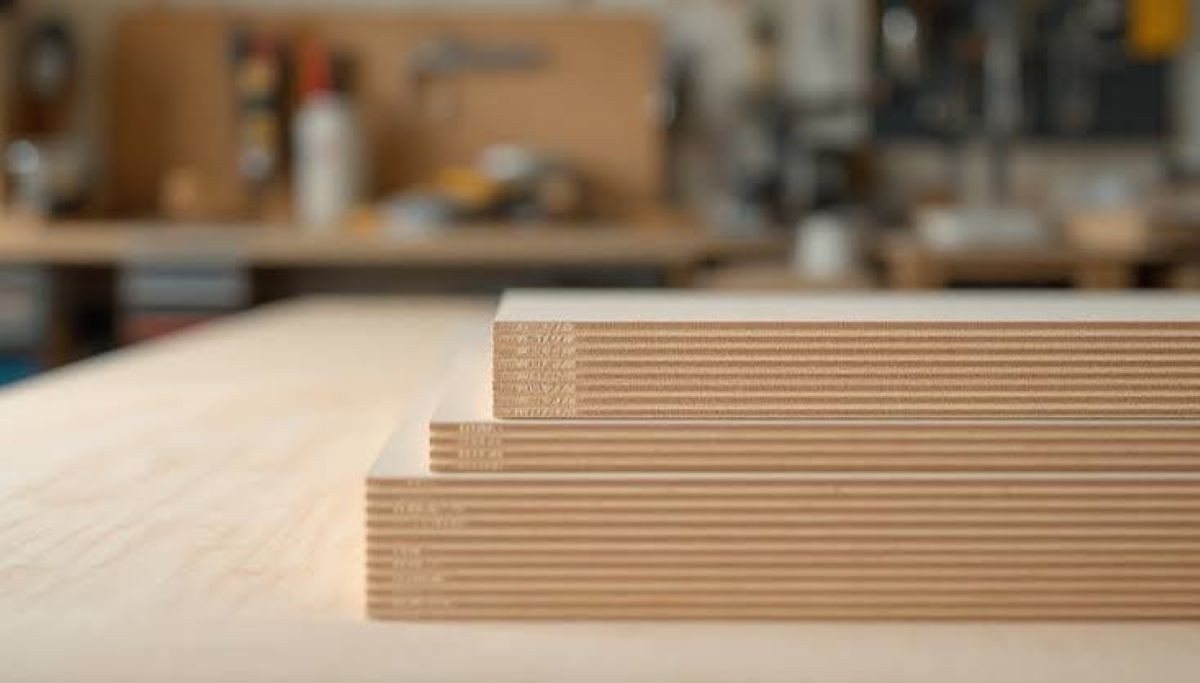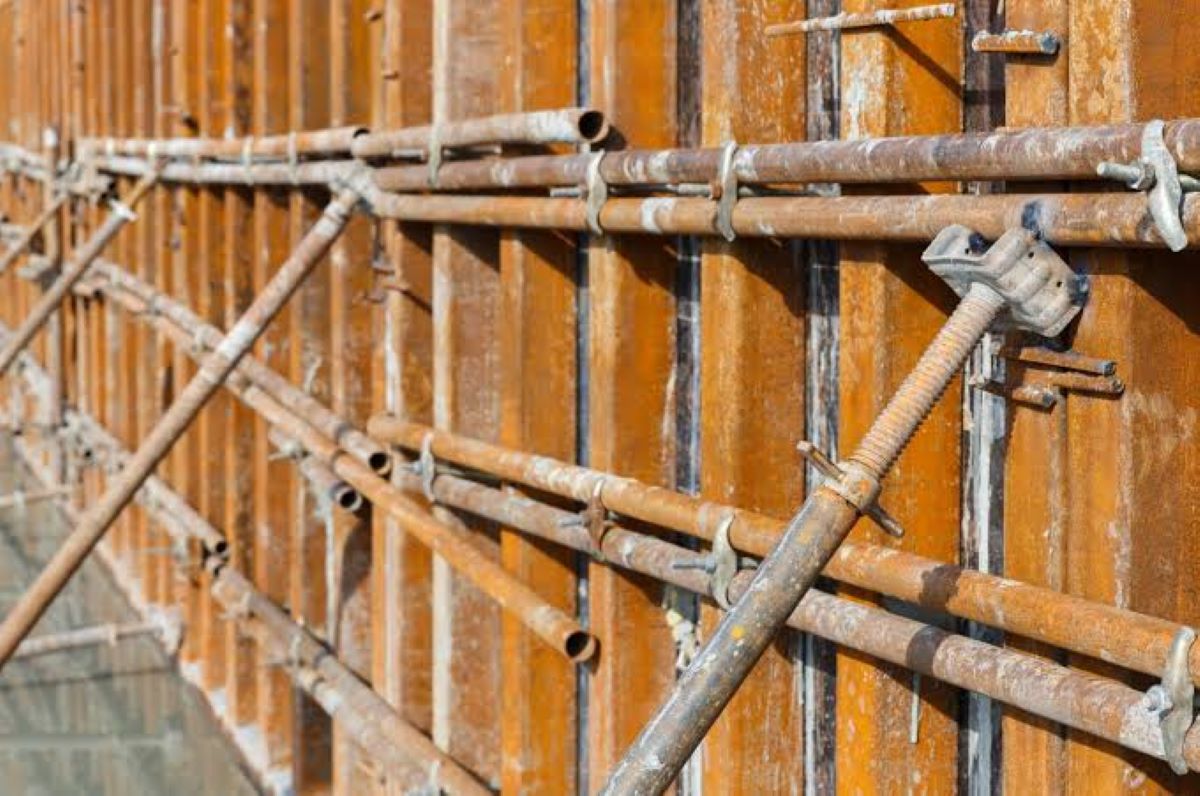
Text: “Concrete jobs in Australia rarely run in perfect conditions. Heat, sudden rain, muddy access roads, and tight storage areas all hit materials hard, especially formwork sheets.
So the real question is not the manufacturer spec sheet. It is how long concrete plywood lasts on site, in the weather, with real crews moving it around every day. The answer depends on handling, exposure, and how well they protect edges and faces.
How long does concrete plywood last on site in typical Australian conditions?
On a well-run site, concrete plywood can last anywhere from a few weeks to several months, often delivering 10 to 30 pours per sheet if they keep it clean and sealed. On a rough site with constant wetting and poor storage, it might be damaged within days.
Australian UV, repeated moisture cycles, and alkaline concrete residue are the usual culprits. Most early failure is not the panel core. It is the face film and edges giving up first.
What actually shortens the lifespan of concrete plywood on site?
The fastest way to kill concrete plywood is water getting into exposed edges, then heat drying it out, over and over. That swelling and shrinking opens the panel, lifts the film, and weakens the bond.
The second big one is impact damage. Fork tines, dropped panels, and levering sheets up with crowbars chip corners. Once corners go, water follows. Concrete build-up is another silent one, because scraping usually damages the face. “
Does weather exposure matter more than the number of pours?
Yes, and it is not even close. Concrete plywood that sits uncovered in Brisbane storms or Darwin humidity can degrade faster than a sheet doing daily pours under decent site controls.
Pours matter, but exposure matters first. If panels are kept off the ground, covered, and dried out between uses, they might outlast a higher pour count sheet that was stored in mud. Weather drives the damage cycle.
How many reuses can they realistically expect from concrete plywood?
A realistic range for concrete plywood on Australian sites is 10 to 30 reuses, assuming they use release agent properly and avoid aggressive scraping. Some teams get more, but that is usually with strict controls and careful stripping.
If they see face checking, film peeling, or swelling at edges, the reuse count drops fast. After that point, the finish degrades and concrete starts grabbing. Then they force it. And that is when sheets split.
What is the difference between “structural life” and “form face life”?
Form face life ends when the sheet no longer gives a clean concrete finish or releases well. Structural life ends when it cannot safely take load or hold fixings without crushing and delaminating.
On site, concrete plywood often gets retired for finish reasons before strength is gone. It might still be fine for bracing, backing, or temporary works. But once the face is torn up, it is done for fair face pours.
How should concrete plywood be stored on site to last longer?
To extend concrete plywood life, sheets should be stored flat on level bearers, off the ground, and under cover. If cover is not possible, a waterproof tarp with airflow should be used to prevent moisture from getting trapped.
Standing sheets on edge in mud is a common mistake. So is leaving bundles strapped tight while wet, which encourages mould and edge swelling. Storage is boring, but it is usually where lifespan is won or lost.
What on-site handling habits make the biggest difference?
Sheets should be lifted properly, not dragged across gravel or hardened slurry. Dragging cuts the film, especially at corners, and it shows up later as sticking and tearing during stripping.
Avoid levering directly off the plywood face. Use wedges and protectors where possible. With concrete plywood, most “mystery failures” are just cumulative handling damage that nobody notices until the sheet starts peeling.
Do sealing and edge painting actually extend life, or is it just theory?
It helps, and it is practical. Edge sealing reduces water ingress, which is the most common failure path for concrete plywood on Australian sites.
New cuts and drilled holes should be resealed quickly, not “later”. Later usually means never, and the panel absorbs water through exposed end grain. Even a basic site routine like sealing after trimming can add weeks of usable life.
What role do release agents and cleaning play in lifespan?
Release agent is a lifespan tool, not just a stripping tool. Applied correctly, it reduces bond, reduces tearing, and reduces scraping damage.
Cleaning matters because concrete residue is alkaline and abrasive. If they leave build-up, they will eventually attack it with chisels and grinders, and that destroys the face. With concrete plywood, gentle cleaning early beats brutal cleaning late.
When should they retire a sheet, even if it “still kind of works”?
They should retire it when there is delamination, bubbling film, soft spots, or swollen edges that stop tight joints. They should also retire it when fixings no longer hold and holes start blowing out.
If the concrete finish is inconsistent, it is often the sheet telling them it is done. At that stage, concrete plywood can still be used for non-visual pours, but it should not be relied on for quality formwork.
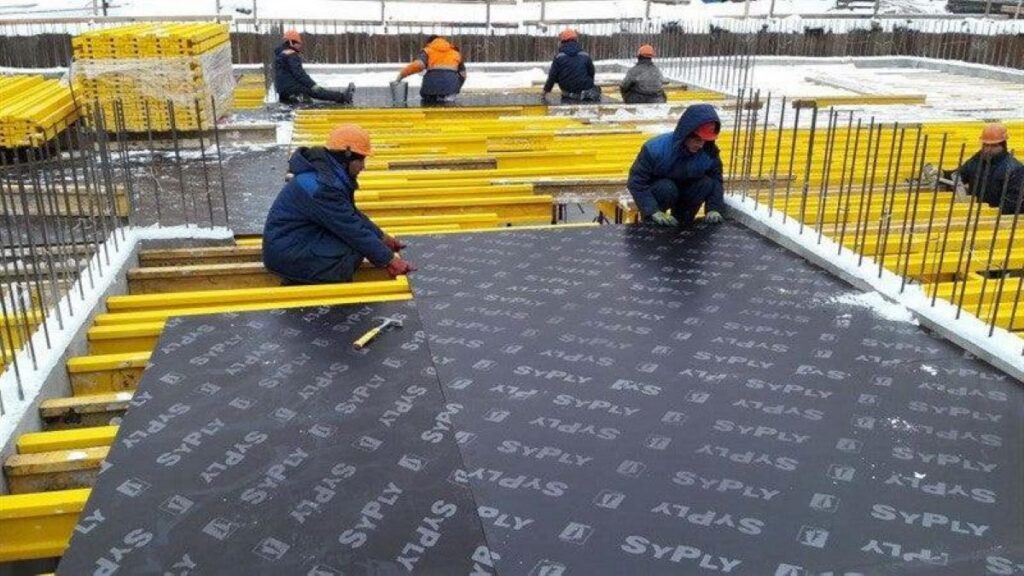
Can they extend life by rotating sheets and planning pours?
Yes. If they rotate sheets so the same panels are not always on the wettest edge of the deck, wear spreads out and lifespan improves. Planning also reduces unnecessary handling, which is where damage sneaks in.
They can also allocate better panels to architectural areas and tired panels to footings or blinding pours. That simple sorting keeps concrete plywood useful for longer and reduces waste, especially on larger Australian commercial sites.
Does Australian compliance or site practice change what “lasting” means?
It does, because “lasting” includes safety, not just whether a sheet is still in one piece. They need to meet project specs, formwork engineering requirements, and workplace expectations around stability and failure risk.
In practice, many Australian sites will retire concrete plywood earlier on high risk elements like elevated decks, simply because the cost of failure is higher. So lifespan is partly technical, partly risk management.
What is a practical rule of thumb for how long concrete plywood lasts on site?
A practical guide is this. If they store it properly, seal edges, use release agent, and keep it out of standing water, concrete plywood can stay in service for months on an active build, often achieving 10 to 30 reuses.
If they leave it exposed, wet, and scraped to death, it may last only a week or two before it becomes a problem. Most of the difference is not the product. It is the routine around it.
More to Read : F14 Plywood Compared with the Alternatives
FAQs (Frequently Asked Questions)
How long does concrete plywood typically last on Australian construction sites?
On well-managed Australian sites, concrete plywood can last from a few weeks to several months, often providing 10 to 30 pours per sheet when kept clean and sealed. However, on rough sites with constant wetting and poor storage, damage can occur within days due to factors like UV exposure, moisture cycles, and alkaline concrete residue.
What are the main factors that reduce the lifespan of concrete plywood on site?
The primary cause of reduced lifespan is water ingress into exposed edges, followed by heat drying which causes swelling and shrinking. This cycle lifts the surface film and weakens bonds. Impact damage from fork tines, dropped panels, or levering sheets also chips corners allowing water in. Additionally, concrete build-up leads to scraping damage that further deteriorates the face.
Does weather exposure affect concrete plywood durability more than the number of pours?
Yes, weather exposure has a far greater impact than the number of pours. Concrete plywood left uncovered in harsh conditions like Brisbane storms or Darwin humidity degrades faster than sheets used frequently but stored properly. Keeping panels off the ground, covered, and dried between uses significantly extends their life compared to high pour counts with poor storage.
How many times can concrete plywood realistically be reused on Australian sites?
Typically, concrete plywood can be reused between 10 to 30 times if release agents are applied correctly and aggressive scraping is avoided. Strict site controls and careful stripping may increase this number. However, signs like face checking, film peeling, or edge swelling indicate a sharp decline in reuse potential.
What is the difference between structural life and form face life of concrete plywood?
Form face life ends when the sheet no longer provides a clean concrete finish or releases well during stripping. Structural life refers to when the panel can no longer safely bear loads or hold fixings without damage. Often on site, sheets are retired for finish quality reasons before they lose structural integrity; they may still be used for bracing or temporary works after this point.
What are best practices for storing concrete plywood on site to maximise its lifespan?
To prolong life, store concrete plywood flat on level bearers off the ground and under cover. If full cover isn’t possible, use a waterproof tarp with airflow to prevent moisture trapping. Avoid standing sheets on edge in mud or leaving wet bundles tightly strapped as these encourage mould growth and edge swelling. Proper storage is crucial for extending service life.