

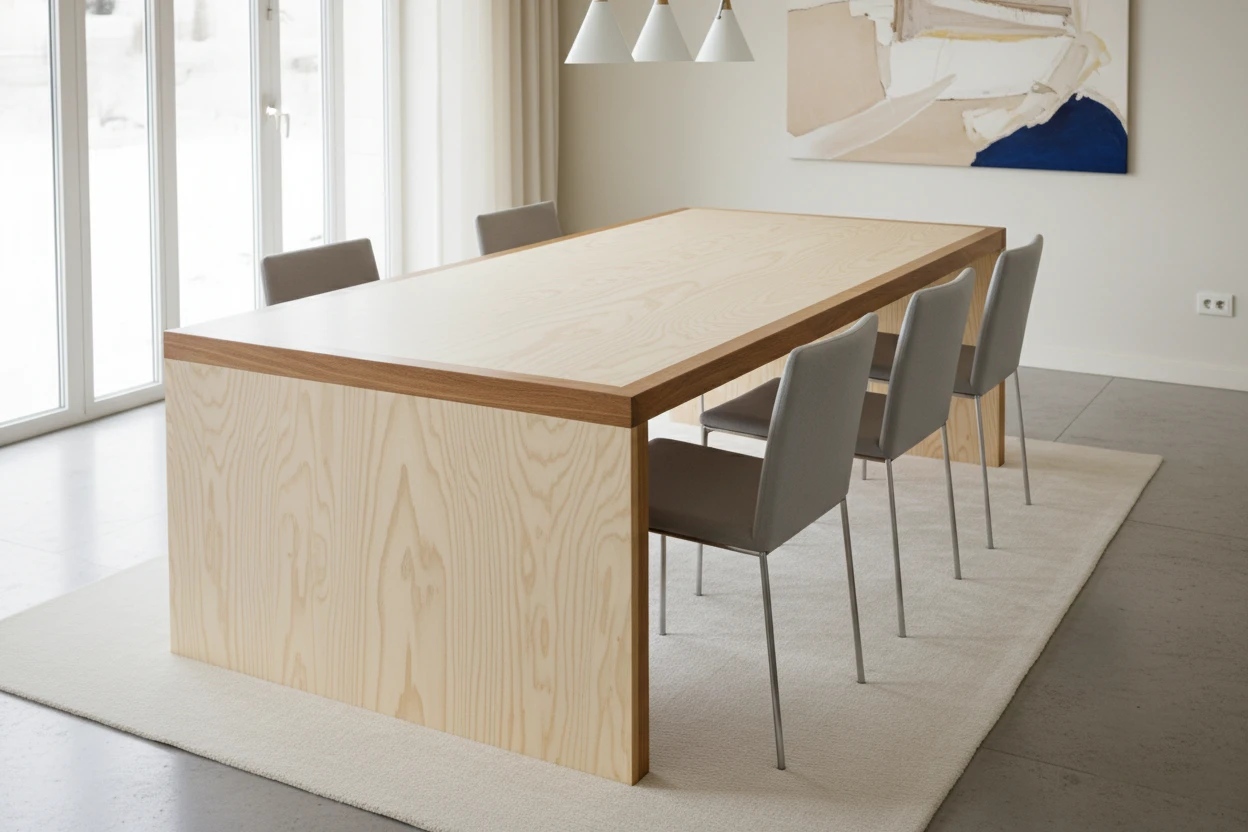
What is formwork plywood, and why do designers consider it?
Formwork plywood is a structural panel made for concrete shuttering, prioritising stiffness, quick handling, and repeated use. Designers consider it because it is widely available, comes in large, stable sheets, and can offer a bold, utilitarian look in joinery and temporary interiors.
In many markets, it is cheaper than cabinet-grade panels, which makes it tempting for back-of-house fit-outs and cost-led concepts.
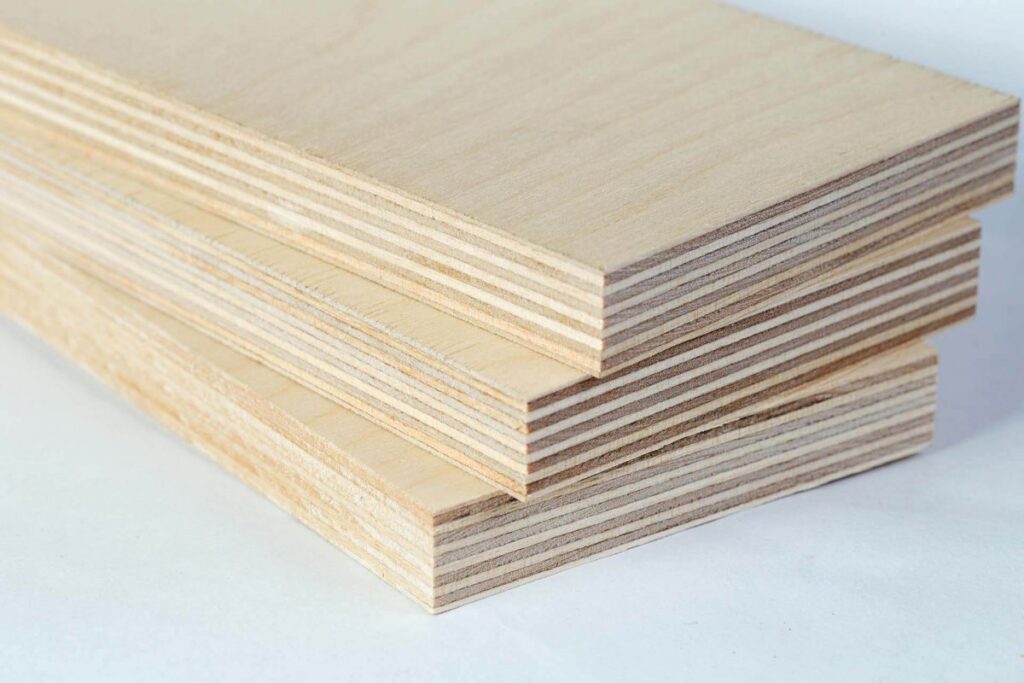
How strong is formwork plywood compared with furniture-grade panels?
Formwork plywood is typically strong in bending and impact because it is intended to resist wet concrete pressure and site abuse. That said, “strong” is not the same as “fine furniture reliable”; if the panel is poorly stored, already warped, or made with inconsistent core veneers. For additional details, visit https://covertprocurement.com.au/product/plywood-formwork/ to explore quality considerations and applications of formwork plywood.
For furniture, designers should still check thickness, flatness, core gaps, and whether the sheet behaves predictably when cut into narrow components.
What affects the finish quality of formwork plywood?
The surface of formwork plywood is usually a film-faced phenolic layer or a coated face designed to release from concrete. That face can look clean, but it is not automatically a decorative finish; it may show scuffs, patches, or factory markings.
Even when it looks smooth, designers should assume it will need edge treatment, careful cleaning, and possibly a topcoat if it will be touched, wiped, or seen up close.
Does formwork plywood accept paint, stain, or clear coatings well?
Formwork plywood can be coated, but the approach depends on whether it is film-faced. Film-faced sheets often resist stains and some finishes, so coatings may struggle to bond unless the surface is abraded and primed correctly.
Clear coatings can work when designers want to keep a dark, industrial look, but they should test adhesion and sheen on offcuts first. If a consistent “furniture” appearance is required, designers may find laminates or veneering more predictable than trying to transform the original face.
What should designers know about edges and exposed cores?
Edges are where formwork plywood most clearly reveals its construction quality. Core gaps and overlap can telegraph through paint and can chip during machining, especially on budget sheets.
If edges will be exposed, designers should plan for lipping, edge banding, a solid timber frame, or a deliberate shadow-gap detail that reduces attention on the core. Clean routing and sharp tooling also matter more than many expect.
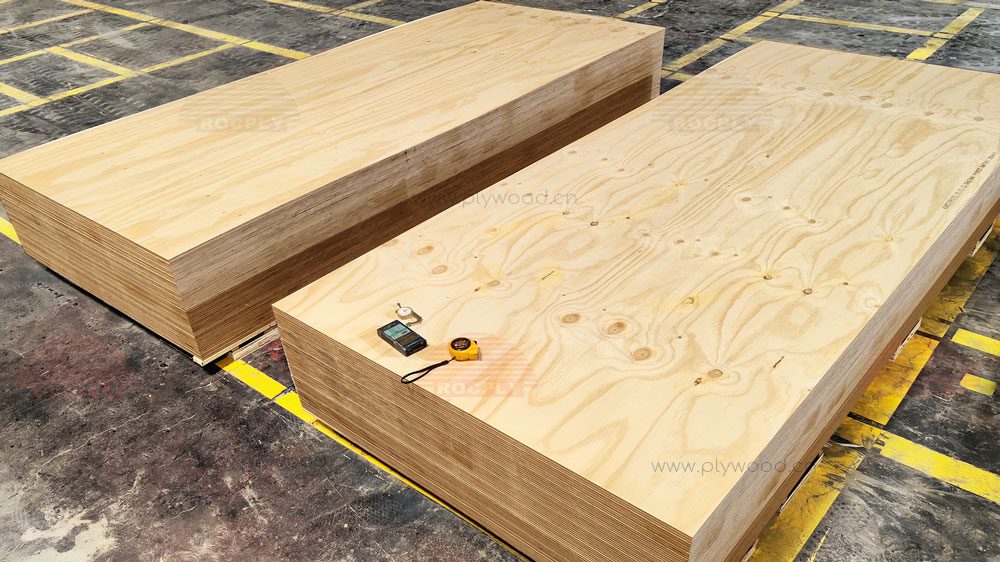
Is formwork plywood suitable for visible furniture pieces?
Formwork plywood can work for visible pieces when the aesthetic is honest and robust, such as café banquettes, display plinths, shelving carcasses, and workshop-style joinery. It is less suitable for refined, close-view cabinetry where colour, grain, and flawless edges are the main story. Learn more about selecting plywood materials for commercial interiors and custom joinery projects.
Designers should decide early whether the intent is “raw and tough” or “polished and domestic”, then choose detailing that supports that choice.
How does moisture and humidity affect formwork plywood in interiors?
Although formwork plywood is often made with exterior-type adhesives, that does not make it immune to interior moisture swings. Poor storage can introduce bowing, and repeated wetting can still stress edges and fixings.
In kitchens, wash-up zones, or humid retail back-of-house areas, designers should seal cut edges and avoid leaving water traps. Good ventilation and sensible junction details usually matter more than the label on the sheet.
What fixings and joinery methods work best with formwork plywood?
Formwork plywood generally holds screws well, but designers should still pilot drill near edges to reduce splitting and face breakout. For furniture loads, they should favour mechanical joints that spread stress, such as confirmat screws, bolts with cross dowels, biscuits, and housed joints.
Glue adhesion is usually fine on raw timber surfaces, but film-faced areas may need sanding back to timber for reliable bonding. Where speed matters, designers can also use cleats and concealed brackets to keep faces clean.
What safety, VOC, and compliance checks should designers make?
Formwork plywood varies widely by supplier and region, so designers should not assume all sheets meet low-emission expectations. They should request documentation for formaldehyde emissions (such as E1 or equivalent), and confirm any required fire performance for public fit-outs.
If the project is in a sensitive environment, designers should specify coatings and sealants that support indoor air quality goals, not just structural performance.
When should designers choose an alternative instead of formwork plywood?
If the brief demands flawless visual consistency, predictable staining, or premium edge exposure, designers are usually better served by birch plywood, furniture-grade hardwood ply, or MR MDF with a designed finish. If weight is a concern, lighter-core panels may also be smarter.
Formwork plywood is best treated as a structural-looking material that can be elevated with good detailing, rather than forced into a high-end furniture role it was never designed to fill.

What is a practical specification checklist for designers?
Designers can reduce risk by treating formwork plywood like any other performance material. They should specify thickness and tolerances, insist on flat sheets, confirm whether faces are film-coated, and state how edges will be finished. This approach aligns with best practices in LVL beam structural support systems where load distribution and material integrity are tightly controlled.
They should also ask how sheets are stored and delivered, request samples from the exact batch, and run one small prototype before committing to a full fit-out. With that discipline, formwork plywood can be a controlled design choice rather than a gamble.