Formply

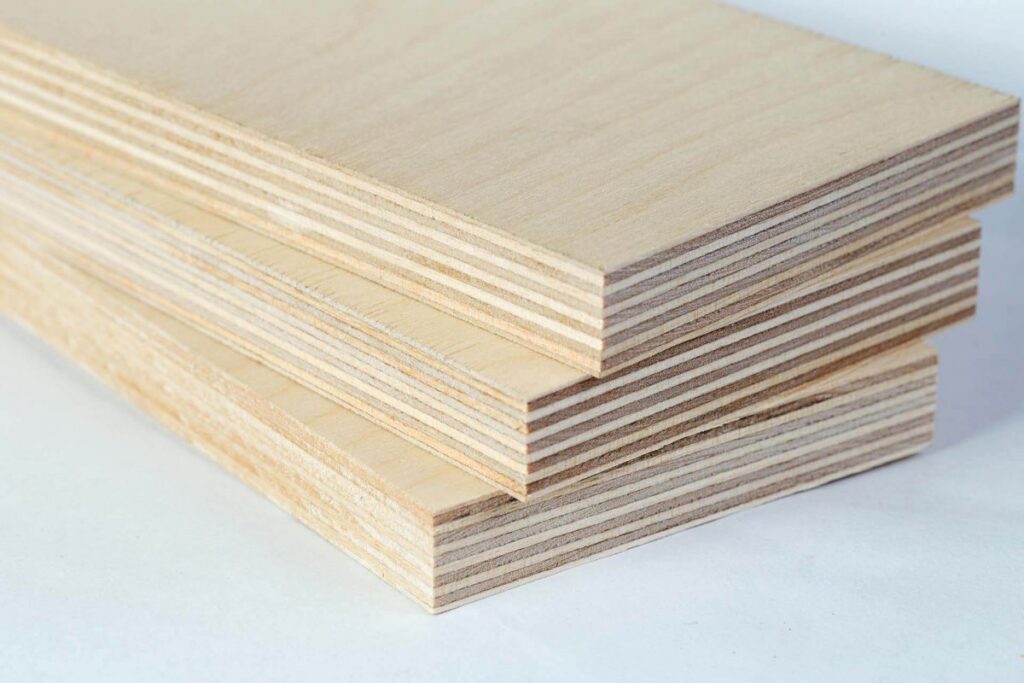
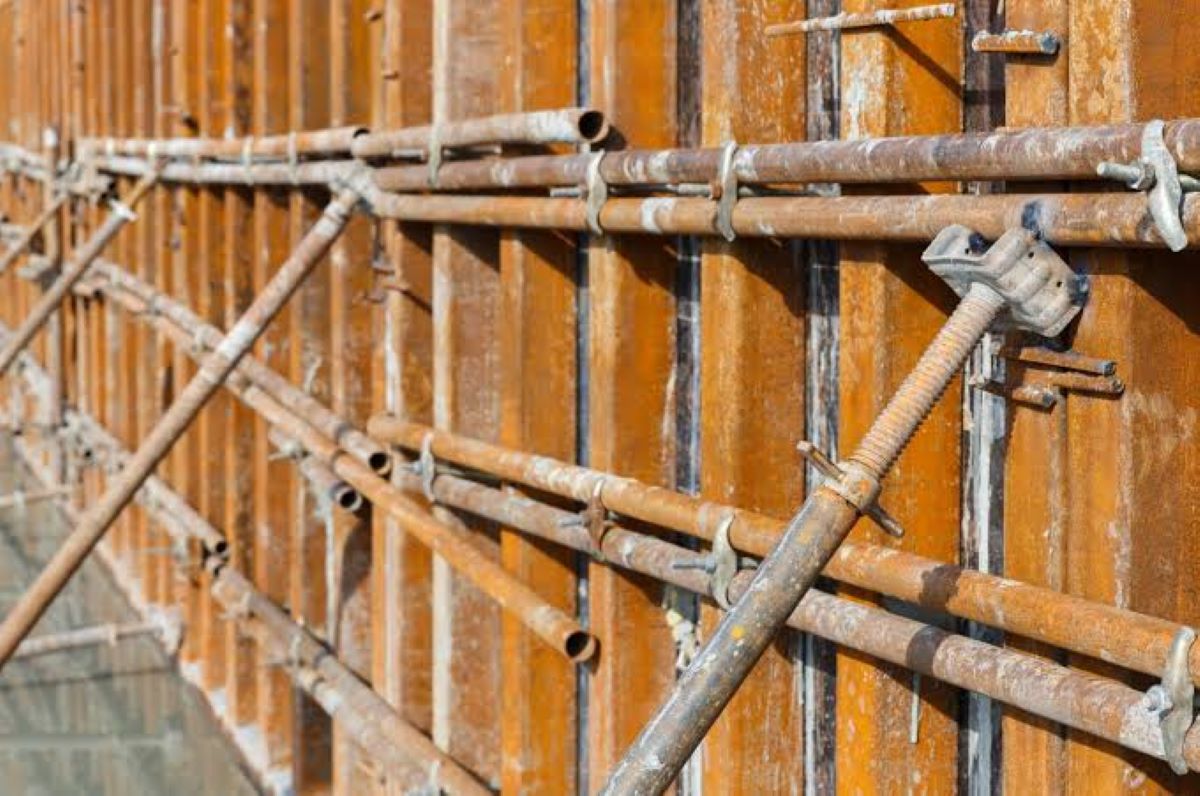
concrete plywood

How Long Does Concrete Plywood Last on Site?

Text: “Concrete jobs in Australia rarely run in perfect conditions. Heat, sudden rain, muddy access roads, and tight storage areas all hit materials hard, especially formwork sheets.

So the real question is not the manufacturer spec sheet. It is how long concrete plywood lasts on site, in the weather, with real crews moving it around every day. The answer depends on handling, exposure, and how well they protect edges and faces.

How long does concrete plywood last on site in typical Australian conditions?

On a well-run site, concrete plywood can last anywhere from a few weeks to several months, often delivering 10 to 30 pours per sheet if they keep it clean and sealed. On a rough site with constant wetting and poor storage, it might be damaged within days.

Australian UV, repeated moisture cycles, and alkaline concrete residue are the usual culprits. Most early failure is not the panel core. It is the face film and edges giving up first.

What actually shortens the lifespan of concrete plywood on site?

The fastest way to kill concrete plywood is water getting into exposed edges, then heat drying it out, over and over. That swelling and shrinking opens the panel, lifts the film, and weakens the bond.

The second big one is impact damage. Fork tines, dropped panels, and levering sheets up with crowbars chip corners. Once corners go, water follows. Concrete build-up is another silent one, because scraping usually damages the face. “

Does weather exposure matter more than the number of pours?

Yes, and it is not even close. Concrete plywood that sits uncovered in Brisbane storms or Darwin humidity can degrade faster than a sheet doing daily pours under decent site controls.

Pours matter, but exposure matters first. If panels are kept off the ground, covered, and dried out between uses, they might outlast a higher pour count sheet that was stored in mud. Weather drives the damage cycle.

How many reuses can they realistically expect from concrete plywood?

A realistic range for concrete plywood on Australian sites is 10 to 30 reuses, assuming they use release agent properly and avoid aggressive scraping. Some teams get more, but that is usually with strict controls and careful stripping.

If they see face checking, film peeling, or swelling at edges, the reuse count drops fast. After that point, the finish degrades and concrete starts grabbing. Then they force it. And that is when sheets split.

What is the difference between “structural life” and “form face life”?

Form face life ends when the sheet no longer gives a clean concrete finish or releases well. Structural life ends when it cannot safely take load or hold fixings without crushing and delaminating.

On site, concrete plywood often gets retired for finish reasons before strength is gone. It might still be fine for bracing, backing, or temporary works. But once the face is torn up, it is done for fair face pours.

How should concrete plywood be stored on site to last longer?

To extend concrete plywood life, sheets should be stored flat on level bearers, off the ground, and under cover. If cover is not possible, a waterproof tarp with airflow should be used to prevent moisture from getting trapped.

Standing sheets on edge in mud is a common mistake. So is leaving bundles strapped tight while wet, which encourages mould and edge swelling. Storage is boring, but it is usually where lifespan is won or lost.

What on-site handling habits make the biggest difference?

Sheets should be lifted properly, not dragged across gravel or hardened slurry. Dragging cuts the film, especially at corners, and it shows up later as sticking and tearing during stripping.

Avoid levering directly off the plywood face. Use wedges and protectors where possible. With concrete plywood, most “mystery failures” are just cumulative handling damage that nobody notices until the sheet starts peeling.

Do sealing and edge painting actually extend life, or is it just theory?

It helps, and it is practical. Edge sealing reduces water ingress, which is the most common failure path for concrete plywood on Australian sites.

New cuts and drilled holes should be resealed quickly, not “later”. Later usually means never, and the panel absorbs water through exposed end grain. Even a basic site routine like sealing after trimming can add weeks of usable life.

What role do release agents and cleaning play in lifespan?

Release agent is a lifespan tool, not just a stripping tool. Applied correctly, it reduces bond, reduces tearing, and reduces scraping damage.

Cleaning matters because concrete residue is alkaline and abrasive. If they leave build-up, they will eventually attack it with chisels and grinders, and that destroys the face. With concrete plywood, gentle cleaning early beats brutal cleaning late.

When should they retire a sheet, even if it “still kind of works”?

They should retire it when there is delamination, bubbling film, soft spots, or swollen edges that stop tight joints. They should also retire it when fixings no longer hold and holes start blowing out.

If the concrete finish is inconsistent, it is often the sheet telling them it is done. At that stage, concrete plywood can still be used for non-visual pours, but it should not be relied on for quality formwork.
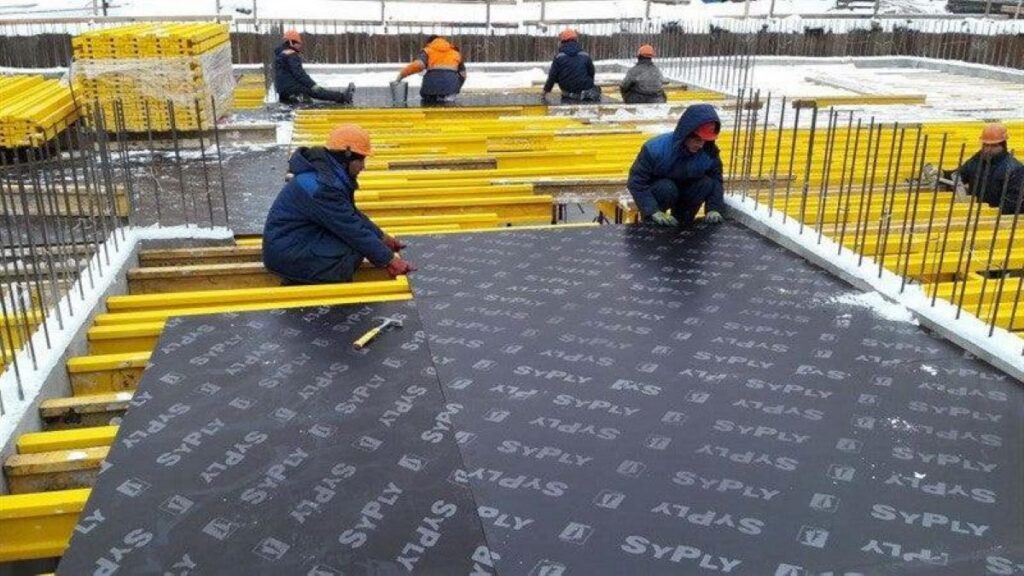
concrete plywood

Can they extend life by rotating sheets and planning pours?

Yes. If they rotate sheets so the same panels are not always on the wettest edge of the deck, wear spreads out and lifespan improves. Planning also reduces unnecessary handling, which is where damage sneaks in.

They can also allocate better panels to architectural areas and tired panels to footings or blinding pours. That simple sorting keeps concrete plywood useful for longer and reduces waste, especially on larger Australian commercial sites.

Does Australian compliance or site practice change what “lasting” means?

It does, because “lasting” includes safety, not just whether a sheet is still in one piece. They need to meet project specs, formwork engineering requirements, and workplace expectations around stability and failure risk.

In practice, many Australian sites will retire concrete plywood earlier on high risk elements like elevated decks, simply because the cost of failure is higher. So lifespan is partly technical, partly risk management.

What is a practical rule of thumb for how long concrete plywood lasts on site?

A practical guide is this. If they store it properly, seal edges, use release agent, and keep it out of standing water, concrete plywood can stay in service for months on an active build, often achieving 10 to 30 reuses.

If they leave it exposed, wet, and scraped to death, it may last only a week or two before it becomes a problem. Most of the difference is not the product. It is the routine around it.

More to Read : F14 Plywood Compared with the Alternatives

FAQs (Frequently Asked Questions)

How long does concrete plywood typically last on Australian construction sites?

On well-managed Australian sites, concrete plywood can last from a few weeks to several months, often providing 10 to 30 pours per sheet when kept clean and sealed. However, on rough sites with constant wetting and poor storage, damage can occur within days due to factors like UV exposure, moisture cycles, and alkaline concrete residue.

What are the main factors that reduce the lifespan of concrete plywood on site?

The primary cause of reduced lifespan is water ingress into exposed edges, followed by heat drying which causes swelling and shrinking. This cycle lifts the surface film and weakens bonds. Impact damage from fork tines, dropped panels, or levering sheets also chips corners allowing water in. Additionally, concrete build-up leads to scraping damage that further deteriorates the face.

Does weather exposure affect concrete plywood durability more than the number of pours?

Yes, weather exposure has a far greater impact than the number of pours. Concrete plywood left uncovered in harsh conditions like Brisbane storms or Darwin humidity degrades faster than sheets used frequently but stored properly. Keeping panels off the ground, covered, and dried between uses significantly extends their life compared to high pour counts with poor storage.

How many times can concrete plywood realistically be reused on Australian sites?

Typically, concrete plywood can be reused between 10 to 30 times if release agents are applied correctly and aggressive scraping is avoided. Strict site controls and careful stripping may increase this number. However, signs like face checking, film peeling, or edge swelling indicate a sharp decline in reuse potential.

What is the difference between structural life and form face life of concrete plywood?

Form face life ends when the sheet no longer provides a clean concrete finish or releases well during stripping. Structural life refers to when the panel can no longer safely bear loads or hold fixings without damage. Often on site, sheets are retired for finish quality reasons before they lose structural integrity; they may still be used for bracing or temporary works after this point.

What are best practices for storing concrete plywood on site to maximise its lifespan?

To prolong life, store concrete plywood flat on level bearers off the ground and under cover. If full cover isn’t possible, use a waterproof tarp with airflow to prevent moisture trapping. Avoid standing sheets on edge in mud or leaving wet bundles tightly strapped as these encourage mould growth and edge swelling. Proper storage is crucial for extending service life.

How Long Does Concrete Plywood Last on Site? Read More »
f14 plywood

F14 Plywood Compared with the Alternatives

Choosing sheet materials in Australia is rarely about what is “best” in a vacuum. It is about structural demand, exposure to moisture, weight, cost, availability at the local timber yard, and what the engineer or certifier will actually sign off. And yes, sometimes it is about what can take a beating on site and still stay flat.

This guide compares F14 plywood with the most common alternatives Australians reach for, including other plywood stress grades, OSB, particleboard, MDF, LVL, and fibre cement. The focus is practical use, not theory. A bit messy, like real jobs.

What is F14 plywood, and what does “F14” actually mean?

F14 plywood is structural plywood manufactured to meet an F-grade stress rating, with “14” indicating its strength and stiffness class. In plain terms, it is a structural sheet used where load matters, not just appearance.

In Australia, it commonly turns up in bracing, flooring, subfloors, platforms, and general structural sheeting. The “F” system is used across structural timbers and engineered wood products, so it is familiar to builders and engineers.

When does F14 plywood make sense on Australian builds?

F14 plywood makes sense when they need a structural panel with reliable performance and decent tolerance to site handling. It is a middle ground. Strong enough for many jobs, but not always the most economical or the strongest option.

It often suits renovations where the frame is uneven and a stiffer sheet helps. It also suits bracing or subfloor work where nails, screws, and adhesive will be used and holding power matters.

How does F14 plywood compare with lower structural grades like F11?

F14 plywood is generally stiffer and stronger than F11, so it can often be used where spans, point loads, or racking resistance are a bit more demanding. That said, the exact performance depends on thickness, layup, and the manufacturer’s specifications.

In real Australian jobs, the difference shows up when floors feel less bouncy, bracing feels tighter, and fasteners bite more confidently. But if the design is already conservative, F11 can still be perfectly fine.

Is F14 plywood as good as F17 or F27 for structural work?

No, F14 plywood is not in the same performance bracket as F17 or F27, and it should not be treated as such. If one is chasing higher stiffness for longer spans, heavier loads, or engineered designs, F17 or F27 will usually be the target.

Where F14 plywood shines is when the job is structural but not extreme. Plenty of residential work sits right there. It is often “enough”, and that matters when budgets are tight.

How does F14 plywood compare with non-structural plywood for cost and performance?

F14 plywood costs more than non-structural plywood because one is paying for verified structural performance, better control of defects, and compliance with Australian standards. Non-structural sheets might look similar at a glance, which is where people get caught.

Performance-wise, structural grades are designed to carry load and resist racking. Non-structural plywood is for linings, packing, furniture carcasses, and similar tasks where failure is annoying, not dangerous. Check out more about Risk controls for on-site structural welding.

What are the moisture and durability differences between F14 plywood and marine plywood?

Marine plywood is about durability and bond quality in wet environments, not an automatic guarantee of higher structural stress grade. F14 plywood may still be the right structural choice, but marine ply may survive moisture cycling better, depending on the product.

In coastal Australia, or around bathrooms, laundries, and exposed decks, moisture tolerance is the real conversation. They should check the glue bond classification and whether the sheet is rated for exterior exposure, not just assume.

Is F14 plywood better than OSB in Australian construction?

Sometimes yes, sometimes no. F14 plywood generally has better edge holding, better fastener performance near sheet edges, and often behaves more predictably when repeatedly wetted and dried. OSB can swell at edges if it is not detailed well.

OSB can be cost-effective and strong in panel form, and it is widely used in wall and roof sheathing systems. In Australia, availability and builder familiarity vary by region. If they need clean edges and robust fixing, plywood often wins.

How does F14 plywood compare with particleboard for flooring and subfloors?

F14 plywood is typically more forgiving on site than particleboard, especially where moisture is involved. Particleboard flooring products can perform well when installed exactly to spec, but they do not love getting rained on mid-build.

For subfloors in Australian conditions where weather delays happen, plywood is often chosen because it tolerates short-term wetting better and holds fasteners well. It also tends to feel more solid underfoot when laid correctly.

Can MDF replace F14 plywood in any structural applications?

No, MDF is not a like-for-like replacement for F14 plywood in structural applications. MDF is heavy, stable, and great for painted joinery, but it is not intended to carry structural loads or provide bracing.

They might use MDF for interior wall linings, cabinetry, and feature panels. If someone is thinking of MDF as “strong sheet material”, they are mixing up surface hardness with structural performance.

f14 plywood

What about LVL, is it an alternative to F14 plywood?

LVL is a different beast. LVL is typically used for beams, lintels, and joists, not as broad structural sheeting. So LVL does not “replace” F14 plywood, it replaces framing members.

Where the two meet is in systems. They might use LVL joists with plywood flooring, for example. If they are trying to stiffen a floor, swapping to LVL joists can help, but it is a different design move than changing the sheet.

How does fibre cement sheeting stack up against F14 plywood for exterior uses?

Fibre cement is often the better exterior cladding substrate because it is dimensionally stable and handles weather, heat, and termites well. F14 plywood can work externally, but only when it is the right exterior-rated product and detailed properly.

In many Australian builds, fibre cement is chosen in wet zones, eaves, and certain claddings. Plywood is chosen where they need racking resistance, a nailable substrate, or a lighter sheet with better fixing characteristics.

Is weight a deciding factor when choosing between F14 plywood and alternatives?

Yes. F14 plywood is often lighter than fibre cement and can be lighter than MDF or some particleboard products, depending on thickness. That matters on multi-storey renovations, tight access sites, and ceiling installs.

But lighter is not always better. If they are chasing acoustic mass between floors, heavier sheets can help. It becomes a system decision, not a single product decision.

How do fixing, edge strength, and screw holding compare across options?

F14 plywood generally offers strong screw holding, especially at edges, because of its cross-laminated veneers. That is one of the reasons builders keep coming back to it. It tends to take nails and screws without crumbling.

Particleboard and MDF can strip more easily if they overdrive fixings or work too close to edges. OSB can be strong but may split or fray at edges depending on the product. For repeated fixing and refixing, plywood is usually the calmest option.

Does F14 plywood help with bracing and racking resistance?

Yes, F14 plywood is commonly used for bracing because it resists racking well when fixed to framing correctly. Bracing performance is not just the sheet, though. It is nail type, spacing, edge distance, and how loads are transferred.

In Australian residential work, plywood bracing walls can be straightforward and robust. They should still follow the engineer’s details or the relevant bracing manual, because “close enough” is not a strategy.

What should Australians check on stamps, standards, and compliance?

They should check the sheet stamp for structural rating, bond class, and relevant Australian standards markings. F14 plywood should be clearly identified as structural, and the manufacturer’s documentation should match the intended use.

This matters for certification and insurance. If a certifier asks what was installed, “it looked structural” will not go far. On renovations, it is also worth keeping receipts and product data sheets for the file.

Where does price usually land for F14 plywood versus other sheets in Australia?

F14 plywood often sits in the mid range. It is usually more expensive than basic non-structural ply and some OSB, but can be cheaper than premium exterior or marine plywood, depending on supply.

Prices jump around in Australia due to freight, species, imports, and local demand. Regional timber yards can price differently to metro big-box stores. If they are buying a lot, trade quotes can shift the picture quickly.

What thickness choices matter most when comparing F14 plywood to alternatives?

Thickness drives stiffness more than many people expect. Two sheets with the same stress grade can behave very differently if one is thicker. With F14 plywood, common structural thicknesses vary by application, like flooring, bracing, or platforms.

When comparing alternatives, they should compare like with like. A thicker OSB panel might outperform a thinner plywood panel in some cases, but it might also weigh more and behave differently at edges.

f14 plywood

So, when should they pick F14 plywood, and when should they choose something else?

They should pick F14 plywood when they need a structural sheet that fixes well, braces reliably, and copes with typical Australian site conditions without fuss. It is a practical all-rounder, especially in residential builds and renovations.

They should choose something else when the job has a specific driver. Marine ply for persistent moisture, fibre cement for exterior durability and termites, OSB for systematised sheathing and cost, particleboard for controlled indoor flooring installs, MDF for paint-grade joinery. Different tools, different jobs.

More to Read : What to Look for When Buying Formply

FAQs (Frequently Asked Questions)

What does the ‘F14’ rating mean in F14 plywood used in Australian construction?

The ‘F14’ rating in F14 plywood refers to its structural stress grade, indicating its strength and stiffness class. It is a structural sheet designed to carry loads, commonly used in bracing, flooring, subfloors, platforms, and general structural sheeting across Australian builds.

When is it appropriate to use F14 plywood on Australian building projects?

F14 plywood is suitable when a reliable structural panel with good site handling tolerance is needed. It serves as a middle ground—strong enough for many applications like renovations with uneven framing, bracing, or subfloor work where fastener holding power is important, but not always the most economical or highest strength option.

How does F14 plywood compare to other structural grades like F11, F17, and F27?

F14 plywood is generally stronger and stiffer than F11, making it better for longer spans and higher loads where reduced floor bounce or tighter bracing is required. However, it does not match the performance of higher grades like F17 or F27, which are preferred for engineered designs needing greater stiffness and load capacity.

What are the differences between F14 plywood and non-structural plywood regarding cost and performance?

F14 plywood costs more than non-structural plywood due to verified structural performance, stricter defect control, and compliance with Australian standards. Structurally graded sheets are designed to carry loads and resist racking forces, whereas non-structural plywood suits linings, packing, or furniture carcasses where failure is less critical.

How does F14 plywood perform compared to OSB and particleboard in Australian construction environments?

F14 plywood often has superior edge holding and fastener performance compared to OSB, which can swell at edges if not detailed correctly. It also tolerates moisture better than particleboard flooring products, making it preferable for subfloors subject to weather delays. Plywood tends to feel more solid underfoot and withstands site conditions more robustly.

Can MDF or LVL replace F14 plywood in structural applications?

MDF cannot replace F14 plywood structurally as it lacks load-bearing capacity and bracing function; it’s suitable for interior joinery and panelling instead. LVL serves a different purpose—used mainly for beams and joists rather than broad structural sheeting—and complements rather than replaces F14 plywood in building systems.

F14 Plywood Compared with the Alternatives Read More »

Scroll to Top