


Formply is one of those building materials that looks straightforward until someone actually has to buy it. Then the questions start. Which grade? What thickness? What face? What’s the difference between “structural” and “looks nice”? And in Australia, with wet weather, heat, harsh sun, and plenty of concrete pours, the wrong choice can get expensive fast.
This guide breaks down what matters, in plain terms, for Australian sites and sheds and renovations. It’s practical. It’s also a little picky, because formply is not all the same.
What is formply actually used for?
When you are looking to buy formply, you are investing in a product primarily used as a concrete formwork sheet. It is specifically designed to create smooth, repeatable moulds for slabs, columns, walls, and beams. Because it is built to handle heavy concrete pressure, moisture, and repeated use, it performs significantly better on construction sites than standard plywood
In Australia they also use it for trailer floors, temporary ramps, site doors, and workshop surfaces. But it performs best when it’s treated like a formwork product, not furniture timber.
Is all formply “structural” in Australia?
No. In Australia, structural claims should tie back to recognised grading and testing, not just marketing. A structural sheet is expected to meet strength and stiffness requirements suitable for load bearing use.
Buyers should look for stamps and documentation that match the intended job. If it is for suspended formwork or anything engineered, they should confirm with their supplier or engineer that the formply they’re buying suits that application.
What thickness should they choose for formply?
Most common thicknesses in Australia include 17 mm and 19 mm, with thicker sheets used where spans are larger or reuse is expected. Thicker sheets generally feel flatter under load and resist “oil canning” or bowing during a pour.
If they’re doing light duty edges, small pads, or temporary works, thinner options might be adequate. But for repetitive pours, going too thin with formply can be false economy.
What does the surface film mean, and why should they care?
The dark phenolic film is there to resist moisture and create a smoother concrete finish. It also helps with release, so sheets strip cleaner when they’re oiled correctly.
A better film typically means better reuse and less patching. If the film is inconsistent, bubbling, or easily scratched at the yard, that usually shows up later on site too. Good formply has a tough, even film and a tidy face.
How important is the edge sealing on formply?
Edge sealing matters a lot, especially in Australian conditions where sheets sit in weather, mud, and curing water. Water gets in through edges first, then swelling starts, then delamination, then the sheet is basically done.
Buyers should check that edges are sealed well, and re-seal any cut edges straight away. If they see raw edges or patchy paint, that formply will not like a wet week in Brisbane or a coastal site in Newcastle.
What grade markings should they look for on the sheet?
They should look for clear stamps that identify the product, its intended use, and relevant standards. A stamp that’s readable and consistent across packs is a good sign the supply chain is legitimate.
If the sheet has no markings, or the supplier can’t explain what grade it is, that’s a warning. On Australian job sites, traceability matters, and with formply, it often correlates with performance.
Does the timber species and core quality really matter?
Yes, because the core determines how it handles screws, impact, and reuse. A sheet can have a decent film but still fail early if the core is full of voids, overlaps, or inconsistent veneers.
They should check the edge of the sheet. If it looks like a clean layer cake with minimal gaps, that’s a better sign. A messy core can lead to blowouts and soft spots, even with premium looking formply.
Other Resources : Forests and timber: a field guide to exotic pests and diseases
How can they spot voids, patches, or poor manufacture before buying?
They can start by inspecting the edges for gaps, then sighting along the face to see if it’s bowed or twisted. A quick tap test helps too. Hollow sounding areas often indicate voids.
They should also check for ripples under the film, film lifting at corners, and poorly sanded high points. A few minutes in the timber yard can save a lot of frustration with formply once the pour is booked.
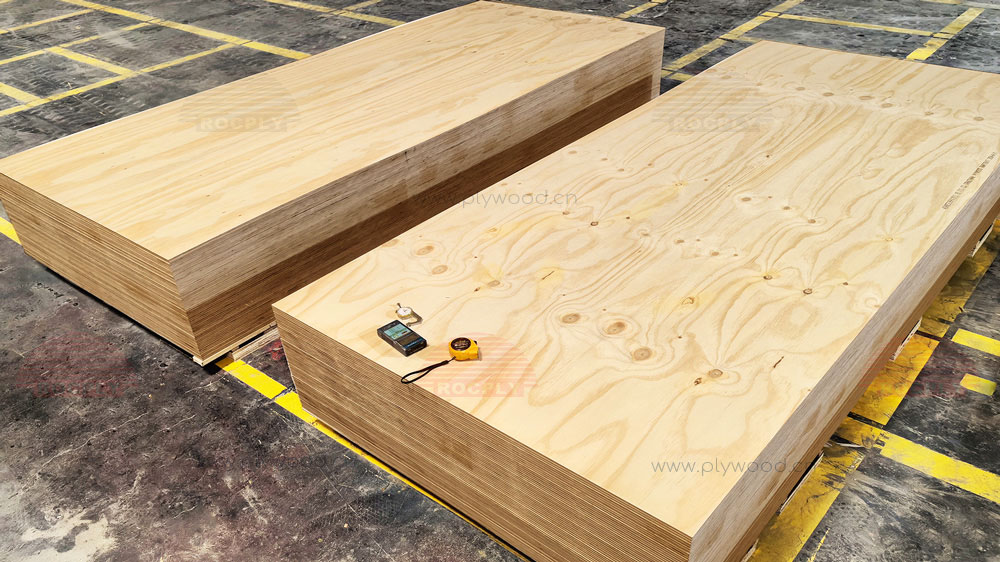
Should they prioritise reuse life or the cheapest sheet?
It depends on the job, but buyers should be honest about how many cycles they need. If it’s a one-off shed slab in regional Victoria, cheaper might be fine if it still meets the basic requirements.
If they’re doing repeated pours or commercial work, the cheapest sheet is often the most expensive over time. Better formply tends to strip cleaner, last longer, and reduce patching and labour.
What concrete finish should they expect from formply?
A clean sheet with good film and proper release agent use can give a smooth, consistent finish. But expectations should match reality. Construction pours still show join lines, tie holes, and blemishes depending on workmanship.
If they want a high-quality architectural finish, they may need higher grade facing, careful jointing, fresh sheets, and tight handling rules. Standard formply can do a lot, but it is not magic.
What size sheets are common in Australia, and does it affect handling?
Common Australian sheet sizes are typically around 2400 x 1200 mm, though other lengths exist depending on supplier. Bigger sheets reduce joints but are harder to move, especially on windy sites.
They should plan transport and storage properly. A sheet that arrives damaged is already losing its value. With formply, corners and edges are the first casualties if handling is rushed.
How should they store formply on site to avoid damage?
They should store it flat, off the ground, and covered, ideally with airflow so moisture does not get trapped. Sitting it directly on soil or concrete can wick water into edges.
They should also avoid leaving packs half-opened in rain. Even a good sheet can swell and degrade if it’s soaked repeatedly. Basic storage discipline extends the life of formply more than most people think.
What fasteners and fixings work best with formply?
They should use suitable screws, avoid overdriving, and pre-drill near edges if splitting is likely. For formwork systems, they’ll usually follow the hardware requirements of the frames and walers being used.
They should also consider how easily the sheet will strip after the pour. Fixing patterns, blowouts, and patching all influence reuse. Good practices matter almost as much as the formply itself.
Are there Australian compliance or sourcing concerns they should check?
They should buy from reputable Australian timber yards or suppliers who can provide product details, intended use, and any supporting documentation. It reduces risk, especially on jobs where inspections or engineers are involved.
They should also ask about sustainable sourcing if that matters to them, because supply chains vary. With formply, consistent supply and traceability usually beats mystery bargain packs that change quality month to month.
See Also : How Long Does Concrete Plywood Last on Site?
What questions should they ask the supplier before paying?
They should ask what the sheet is rated for, what thicknesses are available, whether edges are sealed, and how many reuses are typical for that brand on Australian sites. They should also ask about sheet flatness and warranty, even if informal.
If the supplier can’t answer basic questions, that’s a signal. Buying formply is not just buying wood. It’s buying predictability when the concrete lorry is already on the way.
How can they choose formply for non formwork projects like trailers or sheds?
They should check slip resistance, thickness, and how the surface handles abrasion if it’s for flooring. Some projects need a durable face more than a perfect concrete finish.
They should also seal cut edges and think about long-term moisture exposure, especially on the coast or in tropical Queensland. Even for a trailer floor, formply lasts longer when it’s treated properly, not left raw and wet.

What’s the simplest checklist they can use when buying?
They should check thickness, face film quality, edge sealing, core voids, sheet flatness, and visible stamps or markings. Then they should match the sheet to the job, not the other way around.
And if they are unsure, they should buy one sheet first and test it. One careful trial can reveal a lot about how that formply will behave when the pressure is on.
FAQs (Frequently Asked Questions)
What is formply used for in Australian construction?
Formply is primarily used as a concrete formwork sheet to create smooth, repeatable moulds for slabs, columns, walls, and beams. In Australia, it is also commonly used for trailer floors, temporary ramps, site doors, and workshop surfaces. It performs best when treated as a formwork product rather than furniture timber.
Is all formply considered structural in Australia?
No, not all formply is structural in Australia. Structural claims should be backed by recognised grading and testing that meet strength and stiffness requirements suitable for load-bearing use. Buyers should look for stamps and documentation confirming the sheet’s suitability for their specific application and consult suppliers or engineers if necessary.
What thickness of formply should I choose for my project?
Common thicknesses in Australia are 17 mm and 19 mm. Thicker sheets provide better flatness under load and resist bowing during concrete pours, making them ideal for larger spans or repeated use. Thinner sheets might be adequate for light-duty edges or temporary works but can be a false economy for repetitive pours.
Why does the surface film on formply matter?
The dark phenolic film on formply resists moisture and creates a smoother concrete finish. It aids in cleaner stripping when sheets are oiled correctly and contributes to better reuse with less patching. A consistent, tough film indicates good quality; inconsistent or damaged films often lead to problems on site.
How important is edge sealing on formply sheets?
Edge sealing is crucial, especially in Australia’s wet and harsh conditions. Water penetrates through unsealed edges first, causing swelling and delamination which shortens the sheet’s life. Buyers should ensure edges are well sealed and re-seal any cut edges immediately to maintain durability.
What grade markings should I look for on formply sheets?
Look for clear, readable stamps identifying the product, its intended use, and relevant Australian standards. Consistent markings across packs indicate a legitimate supply chain. Sheets without proper markings or unclear grading should be approached with caution as traceability often correlates with performance.