

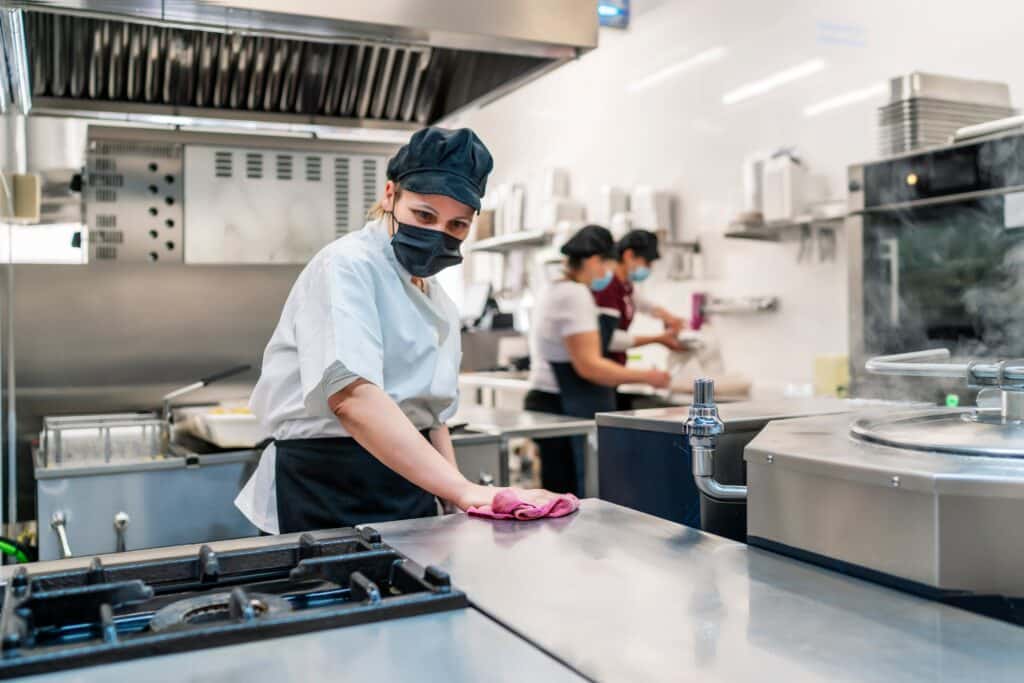
What laws and regulators govern restaurant cleaning in Sydney?
They are mainly governed by the NSW Food Act 2003 and the Food Standards Code (Australia New Zealand Food Standards Code). Local councils enforce many day to day food premises requirements and can inspect, issue notices, or take action.
For restaurant cleaning Sydney, this means maintaining standards that meet both state regulations and local council expectations. NSW Food Authority also provides guidance, runs programs, and may investigate incidents. In practice, restaurants should expect council Environmental Health Officers to check cleanliness, hygiene systems, and records.
What does the Food Standards Code require them to do for cleanliness?
They must keep the premises and equipment clean and in good repair, and they must prevent contamination of food and food contact surfaces. Cleaning must be effective, not occasional, and it must match the risk level of the task.
This includes benches, utensils, cutting boards, slicers, fridges, storage shelves, and any surface that can transfer contaminants. Cleaning schedules should be routine, task based, and easy for staff to follow.
What is the difference between cleaning and sanitising in a Sydney restaurant?
Cleaning removes visible soil like grease and food residue. Sanitising reduces microorganisms to safe levels after cleaning, especially on food contact surfaces.
They should not treat these as interchangeable. For high risk areas, the usual expectation is clean first, then sanitise using a suitable food safe sanitiser at the correct dilution and contact time.
Which areas do inspectors most often focus on during cleaning checks?
They commonly focus on food contact surfaces, handwashing facilities, cool rooms, grease build up, bins, and any signs of pests. Bathrooms, mop sinks, and chemical storage also draw attention because they can contaminate food areas.
Inspectors often look for practical indicators: sticky floors, dirty vents, mould in seals, old food in fridges, and cloths stored unsafely. They also check whether the cleaning method matches the risk, following workplace hygiene inspection standards and cleaning compliance to ensure environments meet required health and safety expectations.
What cleaning records should they keep to show compliance?
They should keep simple, consistent logs that prove cleaning is planned and completed. A basic system often includes a daily checklist, weekly deep clean tasks, and sign off by a supervisor.
Common records include cleaning schedules, sanitiser dilution checks, temperature logs for fridges, pest control service reports, and equipment maintenance notes. If they use a commercial cleaning provider, they should keep service reports and scope lists.
How do they meet hand hygiene and cross contamination requirements?
They must provide accessible handwashing facilities with soap and single use towels, and staff must use them correctly. Cleaning should support this by keeping sinks clear, stocked, and functional.
To reduce cross contamination, they should separate raw and ready to eat areas, use colour coded cloths and boards, and sanitise between tasks. Reusable cloths should be stored clean and dried properly, not left wet on benches.
What pest control and waste rules affect restaurant cleaning in Sydney?
They must keep the premises free from pests and reduce conditions that attract them. That means frequent bin cleaning, sealed waste storage, regular grease trap management, and prompt spill removal.
They should also keep doors sealed, fix gaps, and store food off the floor in sealed containers. Pest activity such as droppings or gnaw marks can trigger enforcement even if the kitchen looks clean, in line with food safety and pest control hygiene standards in food premises designed to protect public health.
What chemicals and storage practices must they follow?
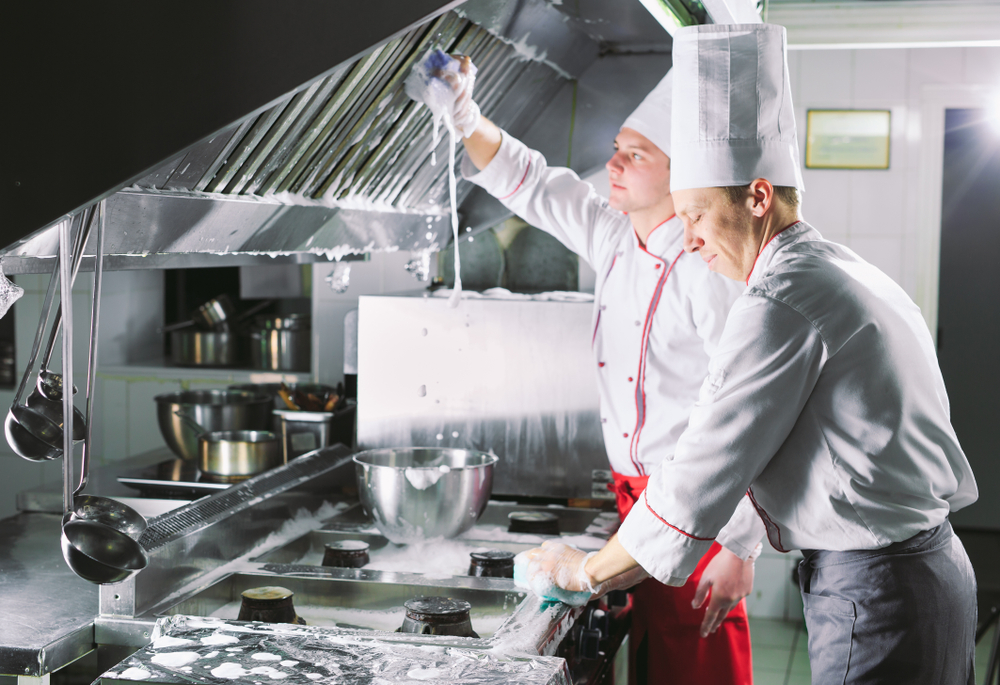
They must store chemicals away from food and food contact items, and they must use them according to label instructions. Incorrect chemical storage is a common non compliance issue because it creates contamination risk.
They should label decanted bottles, keep Safety Data Sheets available, and train staff on correct dilution and use. Cleaning tools like mops and buckets should be stored in designated areas, not in food prep zones.
What are their responsibilities under workplace safety rules while cleaning?
They must manage risks like slips, burns, and chemical exposure under NSW work health and safety requirements. Cleaning plans should reduce hazards, not create them.
They should use wet floor signage, non slip procedures, safe manual handling, and appropriate PPE when using chemicals. Staff should also be trained to clean equipment safely, including isolation steps for powered machinery.
What happens if they fail a hygiene inspection in Sydney?
They may receive improvement notices, fines, or restrictions, depending on severity and repeat history. Serious issues can lead to closure orders or prosecution, particularly if there is an immediate food safety risk.
They should treat any warning as a system problem, not a one-off. A documented cleaning program, staff training, and regular internal checks are often the quickest way to prevent repeat breaches. See gym hygiene and bacteria prevention practices for an overview of how structured cleaning systems help reduce bacterial build-up in fitness facilities.
How can they build a cleaning program that stays compliant year round?
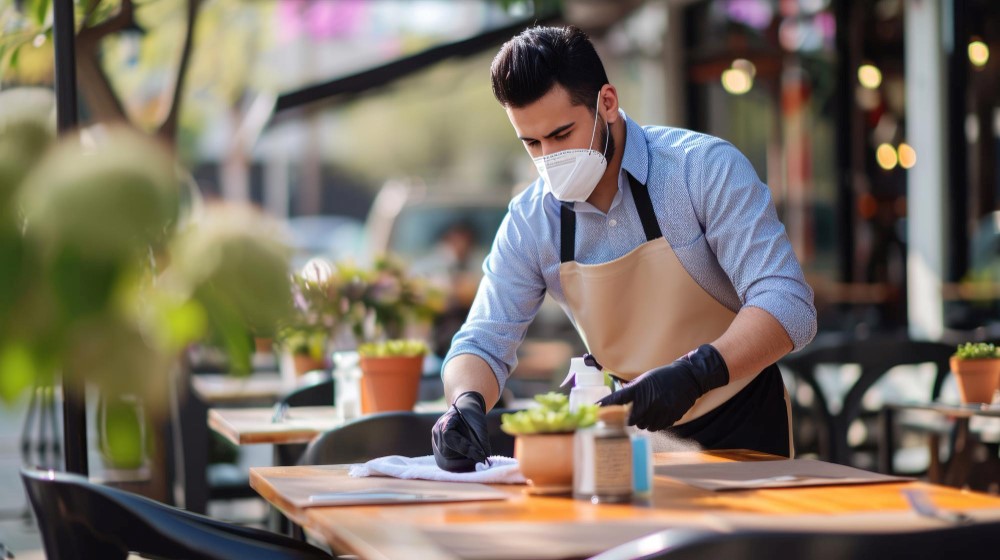
They should create a schedule that matches their workflow, with clear responsibilities, timings, and methods. The best programs are practical, written in plain language, and reviewed when menus or equipment change.
They should also include deep cleaning, not only end of shift wipe downs. Regular audits, refresher training, and periodic professional cleans for exhaust systems, cool rooms, and hard to reach areas help maintain ongoing compliance.
FAQs (Frequently Asked Questions)
What laws and regulations govern restaurant cleaning standards in Sydney?
Restaurant cleaning in Sydney is primarily governed by the NSW Food Act 2003 and the Australia New Zealand Food Standards Code. Local councils enforce daily food premises requirements through inspections, issuing notices, and taking regulatory actions. The NSW Food Authority also provides guidance, runs programs, and may investigate incidents to ensure compliance.
What are the key cleanliness requirements under the Food Standards Code for Sydney restaurants?
Sydney restaurants must keep their premises and equipment clean and in good repair to prevent contamination of food and food contact surfaces. Cleaning must be effective, routine, and match the risk level of each task. This includes regular cleaning of benches, utensils, cutting boards, slicers, fridges, storage shelves, and any surface that could transfer contaminants.
How do cleaning and sanitising differ in a Sydney restaurant setting?
Cleaning involves removing visible soil such as grease and food residue from surfaces. Sanitising follows cleaning by reducing microorganisms to safe levels on food contact surfaces using suitable food-safe sanitisers at correct dilution and contact times. Both steps are essential and should not be treated interchangeably to maintain proper hygiene standards.
Which areas do health inspectors focus on most during restaurant cleaning inspections in Sydney?
Inspectors commonly focus on food contact surfaces, handwashing facilities, cool rooms, grease buildup, waste bins, pest signs, bathrooms, mop sinks, and chemical storage areas. They look for practical indicators like sticky floors, dirty vents, mouldy seals, old food in fridges, improperly stored cloths, and whether cleaning methods align with risk levels.
What cleaning records must Sydney restaurants maintain to demonstrate compliance?
Restaurants should keep simple yet consistent logs proving that cleaning is planned and completed. Typical records include daily checklists, weekly deep clean tasks signed off by supervisors, sanitiser dilution checks, fridge temperature logs, pest control service reports, equipment maintenance notes, and service reports if a commercial cleaning provider is used.
How can Sydney restaurants effectively manage hand hygiene and prevent cross contamination during cleaning?
Restaurants must provide accessible handwashing facilities stocked with soap and single-use towels to ensure proper staff hygiene. Cleaning should keep sinks clear and functional. To reduce cross contamination risks, they should separate raw from ready-to-eat areas using colour-coded cloths and cutting boards while sanitising between tasks. Reusable cloths must be stored cleanly and dried properly rather than left wet on benches.