

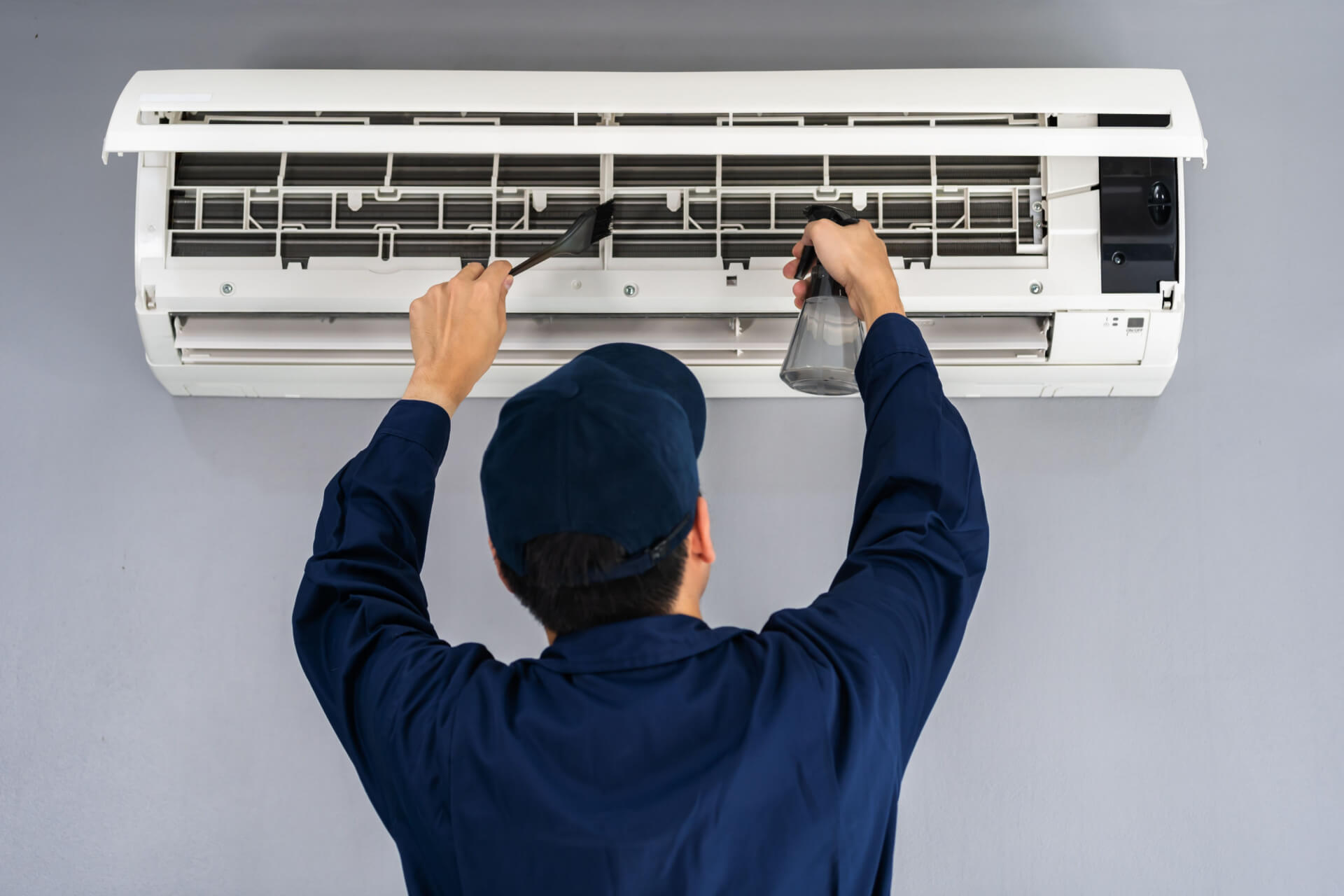
Choosing the right air conditioning Hills District system can turn your home from hot and uncomfortable to perfectly cool all year round. The Hills District has its own weather patterns, with hot and humid summers and cooler winters, so it’s important to think carefully when investing in home cooling solutions.
Your choice of air conditioning Hills District systems affects more than just your comfort level. If you choose the wrong system, you’ll end up spending more money on high energy bills, your space won’t be adequately cooled or heated, and you might have to replace the system sooner than expected at a high cost. By selecting air conditioning system options that fit your home’s specific needs, you can ensure optimal performance and long-term value.
There are several important factors that will influence your decision:
- Home size and layout: This will determine how much cooling or heating capacity you need.
- Number of rooms: Consider how many rooms in your home require climate control.
- Budget constraints: Take into account both the initial purchase cost and ongoing expenses.
- Local climate conditions: Understand how the weather in your area may impact the effectiveness of different systems.
- Energy efficiency ratings: Look at the energy efficiency ratings of potential systems as this will affect your running costs.
- Noise tolerance: Consider how much noise is acceptable in your living spaces.
This guide will help you navigate through the key factors to consider when choosing an air conditioning system for your home in the Hills District. Each section addresses common questions homeowners have and provides practical insights to help you find the best cooling and heating solution for your unique needs. Whether you’re building a new home, renovating an existing one, or replacing an old system, understanding these factors will give you the confidence to make informed decisions.
What Types of Air Conditioning Systems Are Available for Homes in the Hills District?
Hills District homeowners can choose from five main types of air conditioners, each designed to meet different cooling and heating needs. Understanding these options helps you match the right system to your home’s specific requirements.
1. Split System Air Conditioners
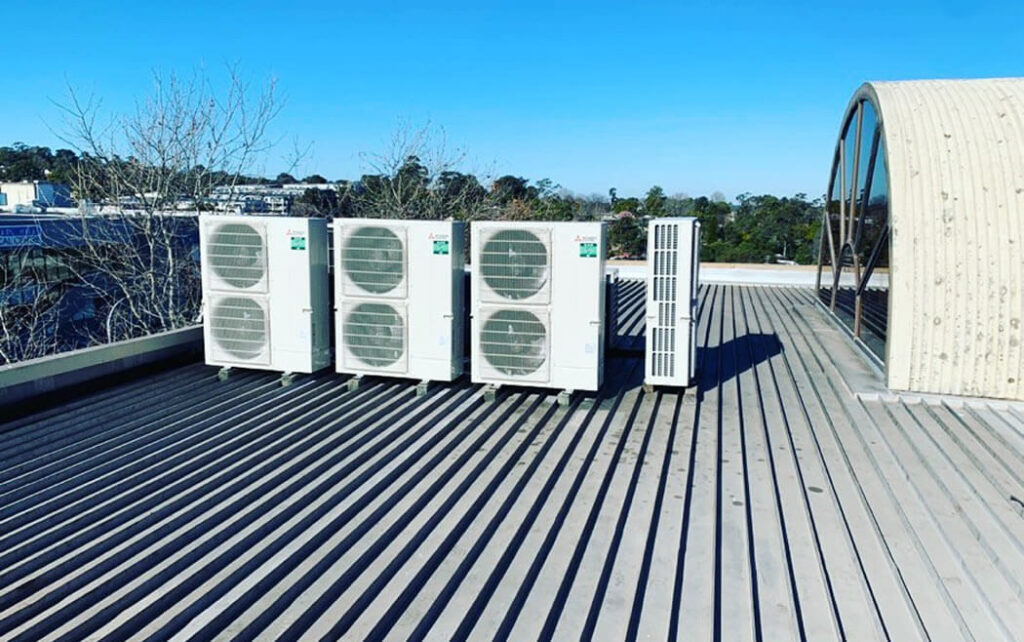
Split systems represent the most popular choice in Australian homes, consisting of two connected units—an outdoor compressor and an indoor wall-mounted unit. The outdoor component houses the compressor and condenser, while the indoor unit distributes cooled or heated air into your room. These units connect via refrigerant lines and electrical cables that run through a small hole in your wall.
The affordability and simplicity of split systems make them ideal for cooling or heating individual rooms. Installation typically takes just a few hours, and the systems deliver efficient temperature control for spaces ranging from small bedrooms to large living areas. Most modern split systems include reverse-cycle capabilities, providing both cooling during summer and heating through winter months.
2. Ducted Air Conditioning Systems
Ducted air conditioning operates through a central unit installed in your roof space or under the floor, distributing air throughout your entire home via a network of ducts. Vents positioned in ceilings or floors deliver conditioned air to each room, creating consistent temperatures across all living spaces.
This whole-home solution appeals to homeowners seeking seamless climate control without visible indoor units. The system hides within your home’s structure, maintaining clean wall surfaces and architectural aesthetics. Ducted systems excel at maintaining uniform temperatures and often include zoning capabilities that allow you to control different areas independently.
3. Multi-Split Systems
Multi-split systems bridge the gap between individual split units and full ducted installations. A single outdoor unit connects to multiple indoor units—typically between two and five—allowing you to cool or heat several rooms without installing multiple outdoor compressors.
Each indoor unit operates independently, giving different household members control over their preferred room temperatures. This flexibility makes multi-split systems particularly valuable for homes where occupants have varying comfort preferences or where certain rooms require cooling more frequently than others.
4. Portable Air Conditioners
Portable AC units offer a self-contained cooling solution that requires no permanent installation. These freestanding units sit on wheels, allowing you to move them between rooms as needed.
While portable air conditioners may not be as powerful as fixed systems, they provide an affordable option for renters or those seeking temporary cooling solutions. They are also useful in situations where specific rooms require occasional cooling but do not warrant the expense of installing a dedicated system.
5. Window Air Conditioners
Window ACs are compact units designed to fit into standard-sized windows. These self-contained systems cool individual rooms by expelling hot air outside while circulating chilled air indoors.
Window air conditioners are often more affordable than other types of systems and can be a practical choice for small spaces or specific rooms that require targeted cooling. However, their installation may obstruct natural light or views from the window, so it’s essential to consider this aspect when opting for this solution.
Understanding these various types of air conditioning systems available in the Hills District will empower you to make informed decisions based on your specific needs and preferences. Whether you prioritize energy efficiency, flexibility, or aesthetics, there is an option that can effectively
How Does Home Size Influence the Choice of Air Conditioning System?
Home size cooling capacity directly determines which air conditioning system will perform effectively in your property. A 150-square-meter home requires approximately 5-7 kilowatts of cooling capacity, while a 250-square-meter residence needs 10-15 kilowatts to maintain comfortable temperatures throughout.
Larger Homes: Ducted or Multi-Split Systems
Larger homes spanning multiple levels or exceeding 200 square meters typically demand ducted air conditioning systems. These installations distribute conditioned air through ceiling or underfloor ducts, reaching every corner of expansive living spaces without requiring multiple outdoor units. Multi-split systems offer an alternative for substantial properties, connecting up to eight indoor units to a single outdoor compressor while allowing independent temperature control in different zones.
Smaller Homes: Split or Portable Units
Smaller homes under 100 square meters or single-room applications benefit from split system installations. A 2.5-kilowatt split unit adequately cools a standard bedroom (12-20 square meters), while a 5-kilowatt model handles open-plan living areas up to 40 square meters. Portable units serve temporary cooling needs in compact spaces, though their limited capacity restricts effectiveness to rooms under 20 square meters.
Matching Capacity to Dimensions
Room size AC requirements extend beyond simple square footage calculations. Ceiling height significantly impacts cooling demands—a room with 3-meter ceilings requires 20-30% more capacity than standard 2.4-meter heights. North-facing rooms with extensive glazing absorb additional heat, necessitating systems with 1-2 kilowatts extra capacity compared to shaded southern exposures.
Undersized systems run continuously without achieving desired temperatures, consuming excessive energy while delivering inadequate comfort. An incorrectly specified 3.5-kilowatt unit struggling to cool a 35-square-meter space operates at maximum capacity during Hills District summers, leading to premature component failure and inflated electricity bills.
Oversized installations present equal problems. A 7-kilowatt system in a 20-square-meter bedroom cycles on and off rapidly, failing to remove humidity effectively and creating temperature fluctuations. This short-cycling pattern wastes energy and reduces equipment lifespan by 30-40% compared to properly sized alternatives.
Why Should They Consider the Number of Rooms When Selecting an Air Conditioner?
The number of rooms needing temperature control directly affects which type of system will work best. A small apartment has different requirements compared to a larger house where family members spend time in separate areas throughout the day.
Assessing Your Cooling and Heating Needs
Homeowners must first determine if they need temperature control in specific rooms or throughout the entire property. Many families in Hills District find that they only use certain rooms regularly—such as the living room in the evenings and bedrooms at night. This pattern of usage makes it more cost-effective to use individual AC units for each room or targeted cooling solutions for multiple rooms rather than installing a whole-house system.
Properties that require consistent temperatures in all areas benefit from comprehensive coverage. Open-plan designs with connected living spaces are particularly suited for systems that treat the home as one large zone instead of separate compartments.
Advantages of Zoning Air Conditioning Systems
Zoning air conditioning changes how households manage comfort and energy usage. Multi-split systems connect up to five indoor units to a single outdoor compressor, allowing independent temperature control in different rooms. Parents can keep their bedroom cooler for sleeping while maintaining warmer temperatures in the living areas during the day.
Ducted systems with zoning capabilities offer even more flexibility. Motorized dampers within the ductwork open or close to direct airflow only where it’s needed. This targeted approach prevents wasting energy by cooling empty guest rooms or heating unused spaces.
When Single Units Fall Short
A single split system installed in a central hallway usually doesn’t provide enough coverage for multiple rooms. Doors, walls, and distance create barriers that make it difficult for air to circulate effectively. Bedrooms located at opposite ends of a house experience significantly different temperatures, leading to discomfort among occupants.
Portable units have similar limitations despite their ability to be moved around easily. It requires physical effort to move them between rooms, and they can only cool one space at a time. The noise produced by their internal compressors can be disruptive in quiet areas such as bedrooms or home offices.
Matching Systems to Room Configurations
Homes with three or more regularly occupied rooms typically need either multi-split or ducted solutions for consistent comfort. Two-bedroom properties might be able to manage with strategically placed split systems in high-use areas. The layout also plays a role—houses with long hallways or multiple levels require systems designed specifically for those configurations.
What Budget Factors Affect Choosing an Air Conditioning System?
When it comes to choosing an air conditioning system, budget considerations go beyond just the initial price. Here are the key factors to consider:
1. AC Installation Cost
The cost of installing an air conditioning system can vary significantly depending on the type of system you choose. Here’s a breakdown of the installation costs for different systems:
- Split Systems: These are typically more affordable to install, with costs ranging from $800 to $2,500 per unit installed.
- Ducted Systems: These systems usually have higher installation costs, ranging from $10,000 to $20,000 depending on the size and complexity of your home.
2. Operating Expenses
In addition to the upfront costs, it’s important to consider the ongoing operating expenses of your air conditioning system. Over its lifespan of 10-15 years, these expenses can add up significantly. Here’s a comparison of the estimated annual running costs for different types of systems:
- Split Systems: If you run a split system for 8 hours a day, you can expect an increase in your electricity bills by $200 to $400 each year.
- Ducted Systems: On the other hand, a whole-home ducted system could cost you anywhere from $800 to $1,500 annually in energy expenses.
It’s worth noting that energy-efficient models with higher star ratings can help reduce these ongoing costs by 20-40%.
3. Cost-Effective Solutions for Specific Rooms
If you’re on a budget and only need cooling in specific rooms, split systems can be a more cost-effective solution. Here’s why:
- Lower Purchase and Installation Costs: Split systems generally have lower purchase prices compared to ducted systems. Additionally, their installation requires minimal structural modifications, which helps keep labor costs low.
- Targeted Cooling: With split systems, you have the flexibility to cool only the rooms that are being used, reducing energy waste on unused spaces.
4. Higher Costs for Ducted Installations
Ducted installations tend to be more expensive due to several factors:
- Extensive Ductwork: Ducted systems require the installation of ductwork throughout your home, which can be costly and time-consuming.
- Ceiling Space Modifications: Depending on your home’s layout, ducted installations may involve modifications to your ceiling space, adding further expenses.
- Longer Installation Times: The complexity of ducted installations often leads to longer installation periods compared to split systems.
Upfront vs Long-Term Cost Comparison
Here’s a side-by-side comparison of the upfront and long-term costs associated with split and ducted systems:
| Cost Category | Split Systems | Ducted Systems |
| Purchase | $600-$1,800 per unit | $6,000-$12,000 |
| Installation | $200-$700 per unit | $4,000-$8,000 |
| Annual Running Costs | $200-$400 per room | $800-$1,500 |
Maintenance Expenses
It’s essential not to overlook maintenance expenses when budgeting for your air conditioning system. Here’s what you need to consider:
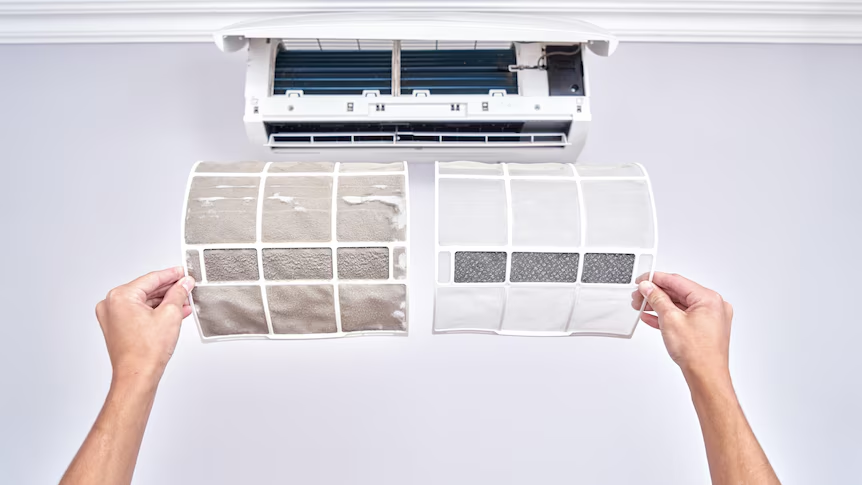
- Split Systems: These systems require annual filter cleaning and biannual professional servicing. You should budget around $150 to $250 each year for maintenance.
- Ducted Systems: Ducted systems need duct cleaning every 3-5 years (estimated cost: $300-$600) along with regular filter replacements and professional maintenance ($250-$400 annually).
Portable Units as an Alternative
If you’re looking for a more affordable option with no installation costs, portable units might be worth considering. Here’s what you should know:
- Price Range: Portable units typically range from $300 to $800 in price.
- Inefficiency Concerns: While they offer flexibility and convenience, portable units tend to be less efficient compared to other types of air conditioning systems. This means their running costs per cooling hour may be higher.
Multi-Split Systems for Zoned Efficiency
Another alternative worth exploring is multi-split systems. Here’s how they compare:
- Upfront Investment: Multi-split systems require an upfront investment ranging from $3,000 to $7,000 (including installation).
- Zoned Efficiency Benefits: These systems allow you to cool multiple rooms individually without incurring full ducted system expenses. This can lead to energy savings by avoiding cooling areas that are not frequently used.
By considering these budget factors and understanding the costs associated with different air conditioning options, you can make an informed decision that aligns with your financial goals while ensuring optimal comfort in your home.
How Does Local Climate Impact the Best Air Conditioning Choice?
The Hills District experiences distinct seasonal variations that directly influence which air conditioning system will perform most effectively in your home. Understanding the relationship between climate conditions and system capabilities prevents costly mismatches and ensures year-round comfort.
Humidity levels determine cooling efficiency
The Hills District’s climate features moderate to high humidity during summer months, making evaporative coolers less suitable despite their energy efficiency. These units work by adding moisture to the air as they cool, which creates uncomfortable, clammy conditions in already humid environments. Split systems and ducted air conditioners excel in humid conditions because they actively remove moisture while cooling, maintaining comfortable indoor air quality.
Dry climate considerations for evaporative systems
While the Hills District isn’t predominantly dry, occasional dry spells occur during certain seasons. Evaporative coolers shine during these periods, using up to 75% less energy than refrigerated systems. Homeowners in particularly dry microclimates within the district might benefit from these units, though they should recognize the limitations during humid weather.
Heating and cooling needs shape system selection
Winter temperatures in the Hills District regularly drop to single digits, requiring reliable heating solutions. Reverse-cycle split systems and ducted air conditioners address both heating and cooling needs within a single installation. These heat-capable systems eliminate the need for separate heating appliances, providing better value than cooling-only options.
Temperature extremes demand adequate capacity
Summer peaks above 35°C and winter lows around 5°C mean your system must handle significant temperature differentials. Systems rated for these extremes prevent overworking and premature failure. Undersized units struggle during peak conditions, leading to higher energy consumption and reduced lifespan. Matching system capacity to the Hills District climate AC suitability ensures consistent performance across all seasons.
What Role Does Energy Efficiency Play in Selecting a Home Cooling System?
Energy efficiency directly impacts your long-term costs and environmental footprint when selecting energy efficient air conditioners Hills District. High-efficiency models consume less electricity to deliver the same cooling or heating output, translating to substantial savings on monthly bills over the system’s 10-15 year lifespan.
Understanding Energy Star Ratings
Australian air conditioners display energy rating labels with star ratings from 1 to 10. A 5-star rated split system uses approximately 30% less energy than a 3-star model of equivalent capacity. Ducted systems typically range between 3-6 stars, while modern inverter technology can push split systems to 7 stars or higher.
Efficiency Comparisons Across System Types
Different systems offer varying efficiency levels:
- Inverter split systems: Most efficient option, adjusting compressor speed to maintain temperature without constant on/off cycling
- Ducted systems: Moderate efficiency, though zoning features allow cooling only occupied areas
- Multi-split systems: High efficiency when properly sized, sharing one outdoor unit across multiple rooms
- Portable units: Least efficient, losing cooled air through exhaust hoses
- Evaporative coolers: Extremely low energy consumption but climate-dependent
Financial and Environmental Returns
Choosing eco-friendly cooling options means reducing electricity bills AC costs by $200-$600 annually compared to inefficient models. A 6-star ducted system in a typical Hills District home costs roughly $800 yearly to run, while a 4-star equivalent reaches $1,200.
The environmental benefits extend beyond personal savings. Energy-efficient systems reduce greenhouse gas emissions by consuming less coal-generated electricity. A high-efficiency 7kW split system prevents approximately 1.5 tonnes of CO2 emissions annually compared to older 2-star models.
Inverter Technology Advantage
Inverter-equipped systems maintain consistent temperatures while using 30-50% less energy than fixed-speed compressors. This technology proves particularly valuable in the Hills District’s variable climate, where temperature demands fluctuate throughout the day.
Should Noise Levels Be a Consideration When Choosing an Air Conditioner?
Noise levels significantly impact daily comfort and should factor heavily into your air conditioning decision. Different system types produce varying decibel levels that can either enhance or disrupt your living environment.
Portable units typically generate the most noise pollution AC units create, often reaching 50-60 decibels due to their all-in-one design. The compressor, fan, and cooling components sit within the same housing as the air outlet, making them noticeably louder during operation. Fixed systems like split air conditioners separate these components, with the noisiest parts housed in the outdoor unit away from living spaces.
Where Quiet Matters Most
Bedrooms and study areas demand quiet air conditioners Hills District residents can rely on for undisturbed rest and concentration. A noisy unit in these spaces can:
- Disrupt sleep patterns and reduce sleep quality
- Interfere with work-from-home productivity
- Create stress in environments meant for relaxation
- Make conversations difficult in living areas
Split systems excel in these settings, with indoor units operating at whisper-quiet levels between 19-30 decibels. Ducted systems offer even better indoor comfort noise levels since their mechanical components remain hidden in ceiling spaces or outside.
Technological Advances in Noise Reduction
Modern air conditioning technology has revolutionized noise output through several innovations. Inverter technology allows compressors to run at variable speeds rather than constantly switching on and off, dramatically reducing operational noise. Advanced fan blade designs minimize air turbulence, while improved insulation materials dampen vibrations.
Many premium models now feature “sleep mode” or “quiet operation” settings that prioritize silent performance over maximum cooling power. These modes prove particularly valuable during nighttime hours when ambient noise levels drop and any mechanical sound becomes more noticeable.
When selecting quiet air conditioners Hills District homeowners should request decibel ratings for both indoor and outdoor units, ensuring the system aligns with their household’s noise tolerance levels.
What Installation Factors Must Be Accounted For When Selecting a System?
Property structure HVAC installation requirements directly determine which air conditioning system suits your home. The physical layout, available space, and existing infrastructure shape your options before considering preferences or budget.
Split and ducted systems need adequate outdoor space for condenser placement. Outdoor unit placement requires a flat, stable surface with proper clearance for airflow—typically at least 30cm from walls or fences. Properties with limited yard space may struggle to accommodate larger ducted systems, making multi-split or single split units more practical alternatives.
Structural Considerations That Impact Installation
Your home’s construction affects air conditioner installation Hills District complexity and costs:
- Ceiling space: Ducted systems require roof cavity access for ductwork installation. Homes with low-pitch roofs or insufficient ceiling clearance face installation challenges.
- Wall composition: Brick, weatherboard, or rendered walls each demand different mounting techniques and drilling approaches for split system units.
- Electrical capacity: Older homes may need electrical upgrades to support modern air conditioning systems, adding unexpected costs.
- Insulation quality: Poor insulation forces systems to work harder, requiring higher capacity units that cost more to install and run.
Professional Assessment Prevents Costly Mistakes
Licensed technicians evaluate your property before recommending systems. They identify potential obstacles like asbestos, inadequate power supply, or structural weaknesses that homeowners often overlook. This assessment ensures How to Choose the Right System for Your Home: Air Conditioning Hills District decisions account for practical installation realities, not just theoretical preferences.
Refrigerant lines connecting indoor and outdoor units typically run through walls or ceilings. Longer distances between components increase installation complexity and reduce system efficiency. Homes with unusual layouts or heritage restrictions may face additional constraints that narrow suitable system choices.
See Also: Blacktown Air Conditioning Costs Homeowners Should Know in 2025