

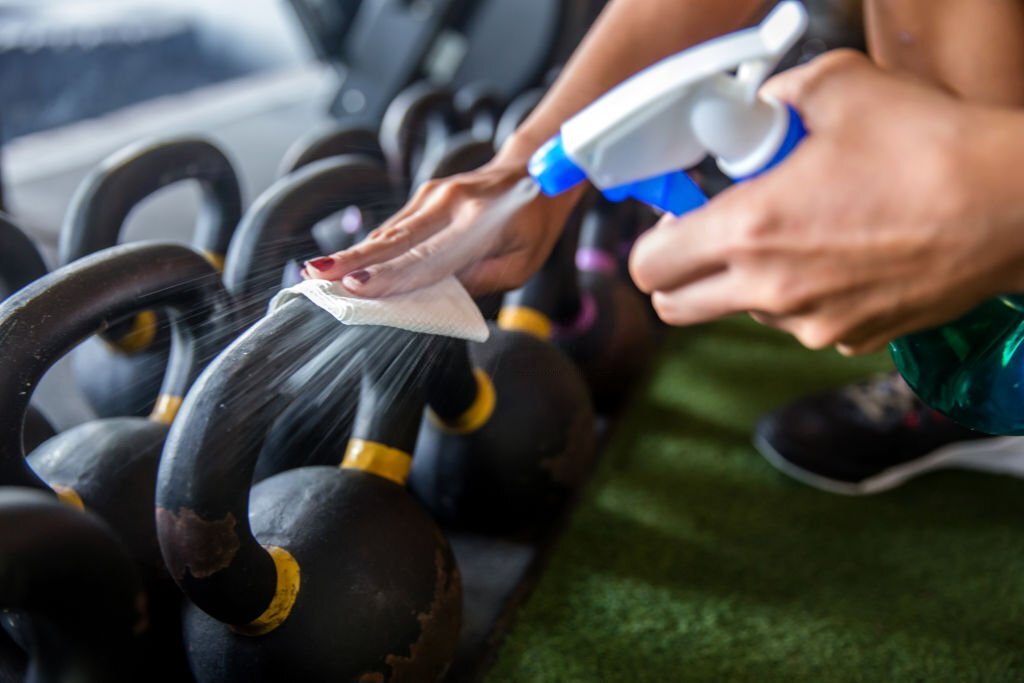
Preventing bacteria build-up is less about occasional deep cleans and more about daily discipline. It comes down to touchpoint control, moisture control, product choice, and clear accountability across staff, members, and cleaners.
What makes gyms such high-risk environments for bacteria build-up?
They combine frequent skin contact with warm temperatures and damp surfaces. Benches, dumbbells, mats, and cardio handles get touched hundreds of times a day, often right after sweating.
Locker rooms raise the risk further, which is why gym cleaning services must focus heavily on these areas. Wet floors, shared showers, and steam encourage microbial growth, while fabric surfaces and rubber flooring can trap odor-causing bacteria if they are not cleaned correctly.
What areas should gym cleaning services prioritize first?
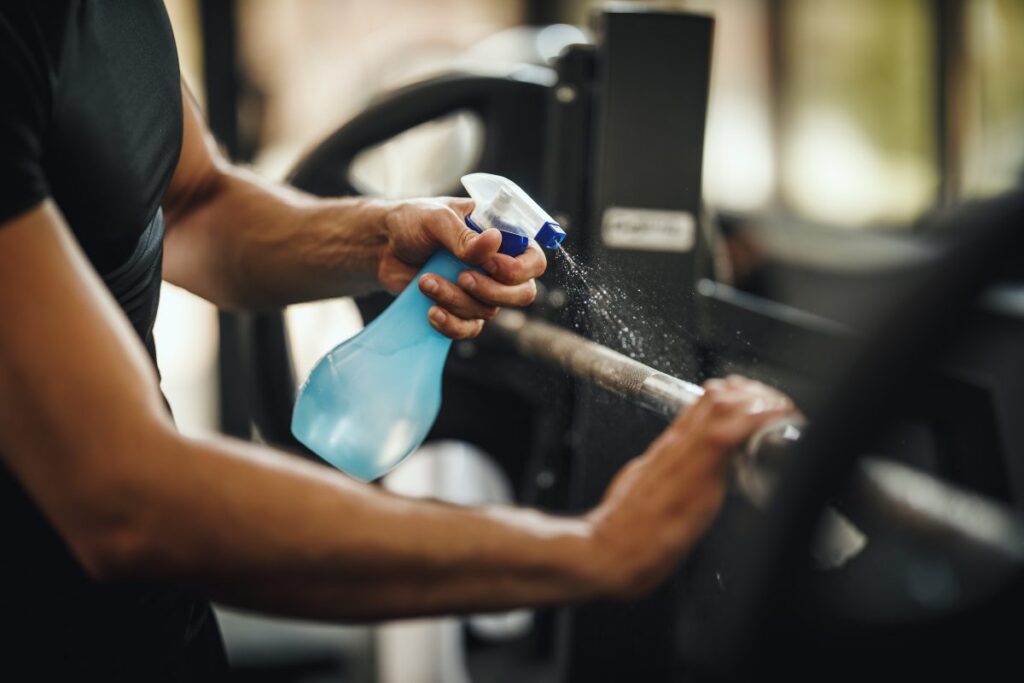
They should prioritize high-touch points and wet zones first, since those drive most cross-contamination. If a gym controls those, overall germ load drops quickly.
Key priorities include: free weights, machine grips, adjustment pins, benches, mats, resistance bands, lockers, shower handles, toilet flush points, sink fixtures, and door push plates. Water fountains and refill stations also need frequent attention because they sit at the intersection of hands and mouths.
How often should gyms be cleaned to stop bacteria from spreading?
They should clean continuously throughout the day, not just at opening and closing. A morning-only clean leaves many hours for build-up to return.
At minimum, high-touch equipment should be wiped multiple times daily, locker rooms should be checked and cleaned on a schedule, and floors should be spot-cleaned as needed. A professional provider typically sets a frequency plan based on footfall, class schedules, and peak-time traffic patterns.
What is the difference between cleaning, disinfecting, and sanitizing in a gym?
Cleaning removes visible soil and sweat residues, which is essential because grime can block disinfectants from working. Disinfecting uses chemicals to kill germs on surfaces, usually requiring a set dwell time. Sanitizing lowers germ levels to a safer threshold, but it may not kill as broadly as disinfection.
Gym cleaning services usually build a sequence: clean first, then disinfect high-risk touchpoints. That order matters if they want consistent results rather than “looks clean” surfaces.
What should a daily gym cleaning checklist include?
A daily checklist should focus on repeatable tasks that reduce touch contamination and moisture build-up. The best checklists are short enough to follow and strict enough to prevent drift.
It should include: disinfecting all touchpoints, emptying trash, cleaning mirrors and glass, mopping floors with the right chemistry, restocking soap and paper goods, wiping vending and reception counters, and cleaning locker room fixtures. It should also include a closing inspection that documents issues like odor, sticky floors, or damp corners.
How can gyms prevent bacteria build-up on equipment and upholstery?
They should treat equipment like food-contact surfaces in terms of discipline. That means frequent wipe-downs, correct disinfectant dwell times, and no shortcuts on porous materials.
Upholstered benches and pads need special attention because sweat can seep into seams. Gym cleaning services often use products that are effective but material-safe, plus periodic deeper treatments that target odor and microbial residue without degrading vinyl or foam.
How should locker rooms and showers be handled to reduce fungi and odor?
They should focus on moisture control and floor safety. Fungus thrives where floors stay damp and ventilation is poor, especially around drains, grout lines, and shower corners.
Effective routines include: scheduled cleaning of showers and toilets, descaling where needed, disinfecting fixtures, and using floor chemistry designed for wet areas. They also need consistent drying, functioning exhaust fans, and frequent checks to prevent lingering water that feeds mold and odor.
What role does air quality and ventilation play in preventing bacteria build-up?
It plays a bigger role than many gyms expect. Poor airflow traps humidity and odor, which indirectly supports microbial growth on surfaces and in soft materials.
Gym cleaning services can help by flagging ventilation issues during inspections, but facilities also need working HVAC, clean vents, and humidity control. When air stays drier, surfaces dry faster, and bacteria have less time to multiply between cleaning cycles.
How can gyms keep cleaning consistent during busy hours?
They should separate “maintenance cleaning” from “full cleaning.” During peak hours, quick touchpoint rounds and restroom checks prevent the worst build-up without interrupting members.
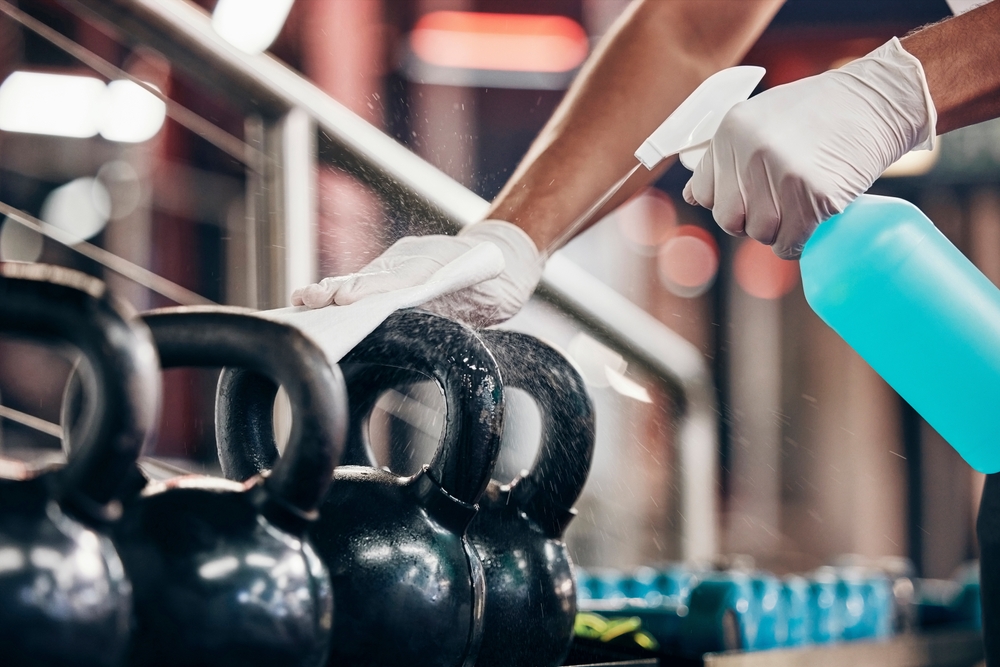
Many gyms use cleaning caddies stationed on the floor, timed walkthroughs, and documented check-ins. A professional team can also schedule heavier tasks for low-traffic windows while keeping high-risk areas covered throughout the day.
How can gyms encourage members to help reduce germs without relying on them?
They should make the right behavior effortless, not optional. When wipes are empty or stations are hard to find, compliance drops.
Gyms can place wipe dispensers at logical points, use simple signage, and train staff to model wipe-down habits. Still, gym cleaning services should assume member wipe-downs are inconsistent and build protocols that do not depend on perfect participation.
Related : Restaurant Cleaning Sydney: What Health Regulations Must Be Followed?
What should they look for when hiring gym cleaning services?
They should look for proof of process, not just promises. A strong provider offers a documented scope, clear frequencies, product lists, and quality checks.
They should ask about staff training, experience with fitness facilities, inspection reporting, and how they handle touchpoints, locker rooms, and odor control. It also helps if the provider can adjust schedules around classes, events, and seasonal spikes like January membership surges.
What is the simplest plan they can start with this week?
They can start by tightening touchpoint routines and fixing moisture issues immediately. If they do only two things, consistent wipe-down rounds and locker room drying will make the biggest difference fast.
A basic starter plan includes: daytime touchpoint disinfecting, scheduled restroom and shower checks, floor care matched to the surface type, and a weekly deeper clean for corners, grout lines, and hard-to-reach zones. From there, gym cleaning services can scale the plan based on traffic and results.
FAQs (Frequently Asked Questions)
Why are gyms considered high-risk environments for bacteria build-up?
Gyms combine frequent skin contact with warm temperatures and damp surfaces, creating ideal conditions for bacteria and fungi to multiply. Equipment like benches, dumbbells, mats, and cardio handles are touched hundreds of times daily, often right after sweating. Locker rooms with wet floors, shared showers, and steam further increase microbial growth risks.
Which gym areas should cleaning services prioritize to effectively reduce germs?
Cleaning services should focus first on high-touch points and wet zones that drive most cross-contamination. Priority areas include free weights, machine grips, adjustment pins, benches, mats, resistance bands, lockers, shower handles, toilet flush points, sink fixtures, door push plates, water fountains, and refill stations.
How frequently should gyms be cleaned to prevent bacteria spread?
Gyms require continuous cleaning throughout the day rather than just opening and closing cleans. High-touch equipment should be wiped multiple times daily; locker rooms need scheduled cleanings; floors should be spot-cleaned as needed. Professional providers tailor cleaning frequency based on footfall, class schedules, and peak traffic.
What is the difference between cleaning, disinfecting, and sanitizing in gym maintenance?
Cleaning removes visible soil and sweat residues essential for disinfectants to work effectively. Disinfecting uses chemicals to kill germs on surfaces with a required dwell time. Sanitizing lowers germ levels to safer thresholds but may not be as broad-spectrum as disinfection. Proper gym protocols involve cleaning first then disinfecting high-risk touchpoints.
How can gyms maintain consistent cleaning during busy hours without disrupting members?
Gyms separate ‘maintenance cleaning’ from ‘full cleaning’ by conducting quick touchpoint rounds and restroom checks during peak hours to prevent build-up without interruption. Strategies include using cleaning caddies on the floor, timed walkthroughs, documented check-ins, and scheduling heavier tasks during low-traffic periods while covering high-risk areas continuously.
What key practices help gyms prevent bacteria build-up on equipment and upholstery?
Treating equipment like food-contact surfaces ensures discipline through frequent wipe-downs with correct disinfectant dwell times and avoiding shortcuts on porous materials. Upholstered benches require special attention with material-safe products and periodic deeper treatments targeting odor and microbial residues without damaging vinyl or foam.