

What Should Blacktown Homeowners Know About Air Conditioning Costs in 2025?
Air conditioning has become essential for Blacktown homes, where summer temperatures regularly soar above 35°C. Reliable cooling systems transform uncomfortable living spaces into comfortable sanctuaries during the region’s intense heat waves.
Understanding Blacktown air conditioning costs in 2025 helps homeowners make informed decisions and avoid budget surprises. Installation expenses have shifted due to rising material costs, updated energy efficiency standards, and increased demand for smart climate control features. Without proper cost knowledge, families risk overspending on unsuitable systems or choosing budget options that fail to meet their cooling needs.
The air conditioning 2025 market presents homeowners with more choices than ever before. System prices now range from $600 for basic window units to over $12,000 for comprehensive ducted solutions. This wide price spectrum reflects varying technologies, capacities, and installation complexities.
Blacktown’s climate demands year-round consideration of cooling solutions. Summer heat stress affects health, productivity, and home comfort levels. Investing in appropriate air conditioning protects family wellbeing while adding property value. The right system choice balances upfront costs against long-term energy efficiency and maintenance expenses.
Budget planning requires examining multiple cost factors beyond the unit price. Installation complexity, electrical requirements, and ongoing running costs all influence the total investment homeowners need to prepare for their cooling needs.
What Are the Typical Air Conditioning Installation Costs for Blacktown Homeowners in 2025?
Installation costs Blacktown residents face in 2025 span from $600 to over $12,000 AUD, with the specific price determined by system type and capacity. Budget-conscious homeowners can start with basic units, while those seeking whole-home comfort should expect significantly higher investments.
Window and Wall Units
The most economical entry point sits between $600 and $1,200. These compact systems suit single rooms or small spaces, making them ideal for renters or homeowners cooling specific areas. Installation remains straightforward, requiring minimal structural modifications.
Single Split Systems
Single split systems delivering approximately 2.5kW capacity range from $850 to $2,800. These popular choices feature one indoor unit paired with an outdoor compressor. The AC prices 2025 reflect variations in brand quality, energy efficiency ratings, and installation complexity. A bedroom installation typically costs less than a large living area requiring longer refrigerant lines.
Multi-Split Systems
Homeowners cooling multiple rooms without ductwork face costs between $2,000 and $5,500. Multi-split configurations connect several indoor units to a single outdoor compressor. The air conditioning cost range increases with each additional indoor unit, though this option proves more economical than installing separate systems for each room.
Ducted Air Conditioning
Premium ducted systems command $5,500 to $12,000 or more. These comprehensive solutions distribute conditioned air throughout entire homes via ceiling or floor vents. Larger homes exceeding 200 square meters push costs toward the upper limit. Installation complexity escalates with:
- Number of zones required
- Ceiling space accessibility
- Ductwork design and materials
- Control system sophistication
System size directly correlates with capacity measured in kilowatts. A 2.5kW unit adequately cools 20-30 square meters, while homes requiring 10kW or greater capacity face proportionally higher equipment and installation expenses.
How Do Different Types of Air Conditioning Systems Affect Costs?
The types of AC systems available in Blacktown each carry distinct price points and operational characteristics.
Split Systems
Split systems represent the most popular choice, with wall-mounted indoor units paired with outdoor compressors, costing between $850 and $5,500 depending on whether you choose single or multi-split configurations. These systems excel in targeted room cooling and offer flexibility for homes without existing ductwork.
Ducted Systems
Ducted systems deliver whole-home climate control through ceiling or floor vents, making them ideal for larger properties. The ducted vs split systems cost difference is substantial—ducted installations range from $5,500 to $12,000 or more, reflecting the extensive infrastructure required. Ducted systems hide components within roof spaces, providing a seamless aesthetic and consistent temperature throughout the home.
Reverse Cycle Units
Reverse cycle units function as both heaters and coolers, offering year-round comfort. These systems typically cost between $1,200 and $8,000 depending on capacity and whether you select a split or ducted configuration. The dual functionality justifies the investment for Blacktown’s variable climate, eliminating the need for separate heating systems.
Evaporative Cooling
Evaporative cooling presents a budget-conscious alternative, with evaporative cooling cost Blacktown homeowners can expect ranging from $2,500 to $7,000 for whole-house systems. These units work by drawing hot air through water-saturated pads, making them particularly effective in Blacktown’s dry summer conditions. Running costs remain significantly lower than refrigerated systems, though performance drops during humid weather.
Each system type delivers specific advantages:
- Split systems: Lower upfront costs, room-by-room control, simpler installation
- Ducted systems: Whole-home comfort, hidden components, increased property value
- Reverse cycle: Year-round functionality, energy efficiency, space-saving design
- Evaporative cooling: Minimal running costs, fresh air circulation, environmentally friendly operation
Your home’s layout, budget constraints, and cooling requirements determine which system delivers optimal value.
What Additional Expenses Should Homeowners Expect Beyond the Unit Price?
Here are some additional expenses that homeowners should expect beyond the unit price:
1. Electrical Upgrades
Electrical upgrades often add $200 to $800 to your project, particularly in older Blacktown homes where existing circuits can’t handle modern air conditioning loads. Licensed electricians may need to install dedicated circuits, upgrade switchboards, or add safety switches to meet current Australian standards.
2. Refrigerant Pipe Runs
Refrigerant pipe runs become expensive when your outdoor compressor sits far from indoor units. Standard installations include 5-7 meters of piping, but longer distances cost $60 to $120 per additional meter. Two-storey homes or properties with challenging layouts frequently require extended runs that quickly inflate the budget.
3. Smart Controls and Thermostats
Smart controls and thermostats range from $200 to $600, offering Wi-Fi connectivity and programmable scheduling. These devices let you control temperatures remotely through smartphone apps, potentially reducing energy bills through optimized usage patterns.
4. Essential Accessories
Essential accessories include:
- Wall brackets for outdoor units: $100-$200
- Condensate pumps (when gravity drainage isn’t possible): $150-$300
- Vibration dampening pads: $50-$100
- Protective outdoor unit covers: $80-$150
These additional AC installation costs typically add 15-30% to your base system price. A $3,000 split system installation might actually cost $3,800 once you factor in necessary electrical upgrades cost and refrigerant pipe pricing. Requesting detailed quotes that itemize all potential extras helps avoid budget surprises during installation.
Which Brands Are Popular in Blacktown and How Do They Influence Pricing?
Mitsubishi Electric and Daikin dominate the Blacktown market as premium choices, with split systems typically ranging from $1,800 to $4,200 depending on capacity. These popular AC brands in Blacktown command higher prices due to their reputation for reliability and energy efficiency.
Fujitsu offers competitive pricing in the mid-range segment, with most residential units costing between $1,400 and $3,500. The brand balances quality with affordability, making it attractive for budget-conscious homeowners seeking Japanese engineering.
Panasonic and Samsung position themselves similarly, with prices spanning $1,100 to $3,800. Both brands incorporate smart features and modern designs that appeal to tech-savvy homeowners without reaching premium price points.
Rinnai provides entry-level to mid-range options starting from approximately $1,200, focusing on straightforward functionality rather than advanced features. This brand suits homeowners prioritizing basic cooling needs over premium specifications.
The Mitsubishi Electric cost premium reflects advanced inverter technology and longer warranties, while the Daikin price range justifies itself through superior energy ratings and quieter operation. Brand selection directly impacts not just initial investment but long-term running costs—premium brands typically consume 15-20% less electricity than budget alternatives, offsetting their higher upfront costs through reduced power bills over the system’s lifespan.
When Is the Best Time to Schedule an Air Conditioning Installation to Save Money?
The best time for AC installation Blacktown homeowners should target is between April and September. During these cooler months, demand for air conditioning services drops significantly, creating opportunities for better pricing and more flexible scheduling options.
Installers typically experience their slowest periods from May through August, when temperatures are mild and few homeowners think about cooling systems. This reduced demand translates directly into cost savings, with some companies offering off-season installation savings of 10-20% compared to peak summer rates. You’ll also find installers have more availability, meaning shorter wait times and greater flexibility to choose installation dates that suit your schedule.
Booking during winter months provides another advantage: installers can dedicate more time to your project without rushing between multiple urgent summer jobs. This often results in more thorough installations and better attention to detail.
Peak season pricing hits hardest from November through March, when Blacktown’s summer heat drives desperate homeowners to seek immediate cooling solutions. During these months, you’ll face:
- Premium pricing due to high demand
- Extended wait times of 2-4 weeks or longer
- Limited availability for preferred installation dates
- Rushed installations due to overbooked schedules
Planning ahead and installing your system before summer arrives ensures your home stays comfortable when temperatures soar, while your wallet benefits from strategic timing.
How Can Homeowners Reduce Their Air Conditioning Installation Costs?
Bundling electrical work with your air conditioning installation often delivers significant savings on AC installation Blacktown. Rather than hiring separate contractors for electrical upgrades and system installation, choosing a provider who handles both services eliminates duplicate callout fees and reduces labor costs by $150 to $400.
Requesting multiple quotes from at least three licensed installers creates competitive pricing pressure. Quote variations for identical systems can differ by 20-30%, making comparison shopping essential. Request itemized quotes that break down equipment, labor, and additional costs separately to identify the best value.
Government rebates for air conditioning provide substantial financial relief for eligible homeowners. The NSW Energy Savings Scheme offers rebates ranging from $200 to $600 for installing energy-efficient reverse cycle systems. Check the Energy Saver website or consult with installers familiar with current rebate programs to determine your eligibility based on system efficiency ratings and household income thresholds.
Choosing mid-tier brands instead of premium options reduces upfront costs without sacrificing reliability. Quality brands like Rinnai or Samsung deliver excellent performance at $300-$800 less than premium Mitsubishi Electric or Daikin models with similar specifications.
Negotiating package deals that include installation, warranty extensions, and initial maintenance services often costs less than purchasing these elements separately. Many installers offer 5-10% discounts when customers commit to multi-year service agreements during the initial purchase.
What Routine Maintenance Practices Help Maintain Efficiency and Prevent Extra Costs?
Regular Filter Cleaning
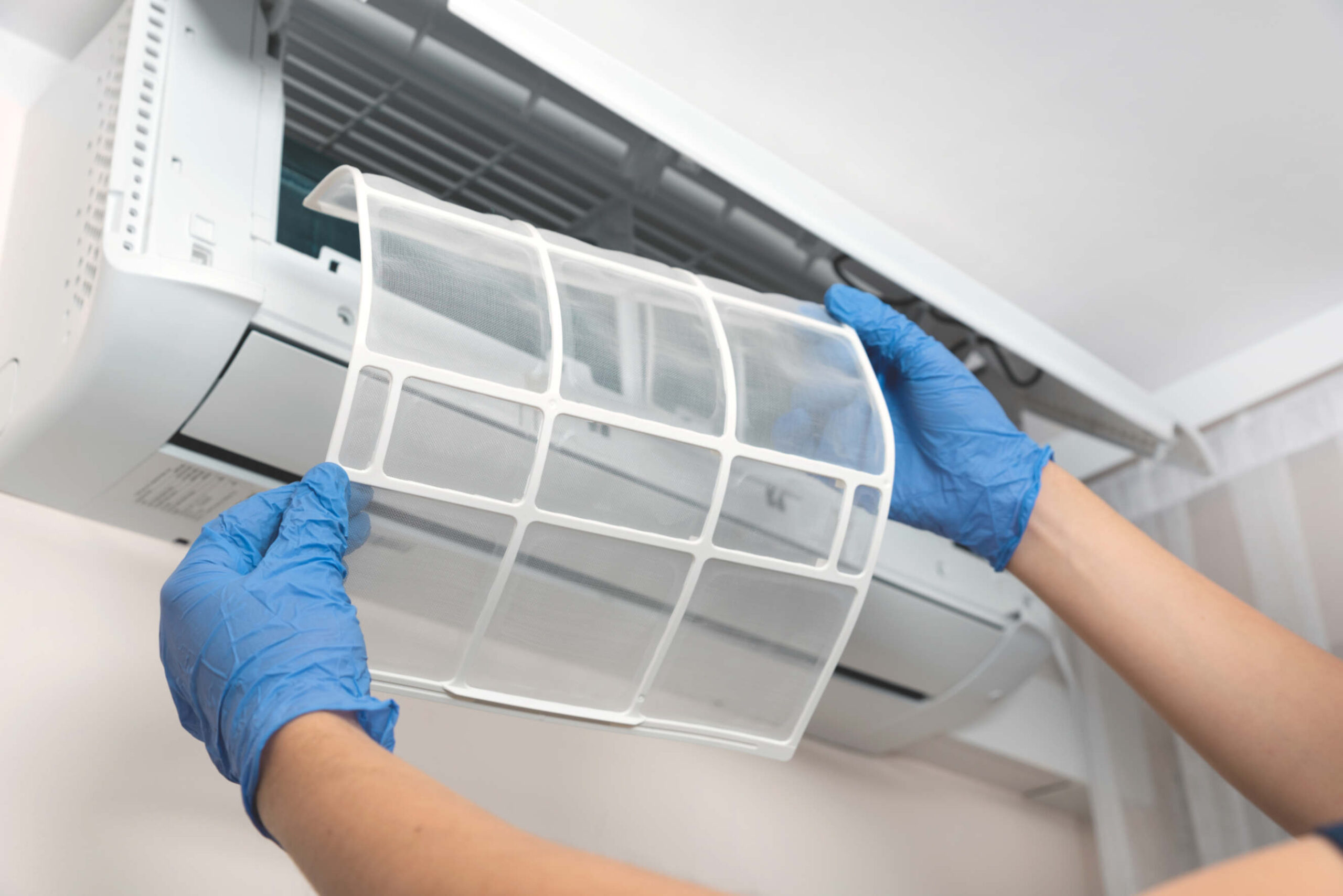
The most important AC maintenance tip for homeowners in Blacktown is to regularly clean the filters. During peak usage periods, it’s recommended to clean the filters every two to four weeks. This practice ensures optimal airflow and efficiency, preventing the system from working harder and consuming more energy.
- Why Clean Filters Matter: Dirty filters can increase energy consumption by up to 15% and potentially shorten the lifespan of the unit.
- How to Clean Filters: Remove the filters from the AC unit and wash them with mild soap and water. Allow them to dry completely before reinstalling.
Key Maintenance Tasks
In addition to regular filter cleaning, there are other key maintenance tasks that homeowners should prioritize:
- Inspecting and cleaning filters monthly during summer
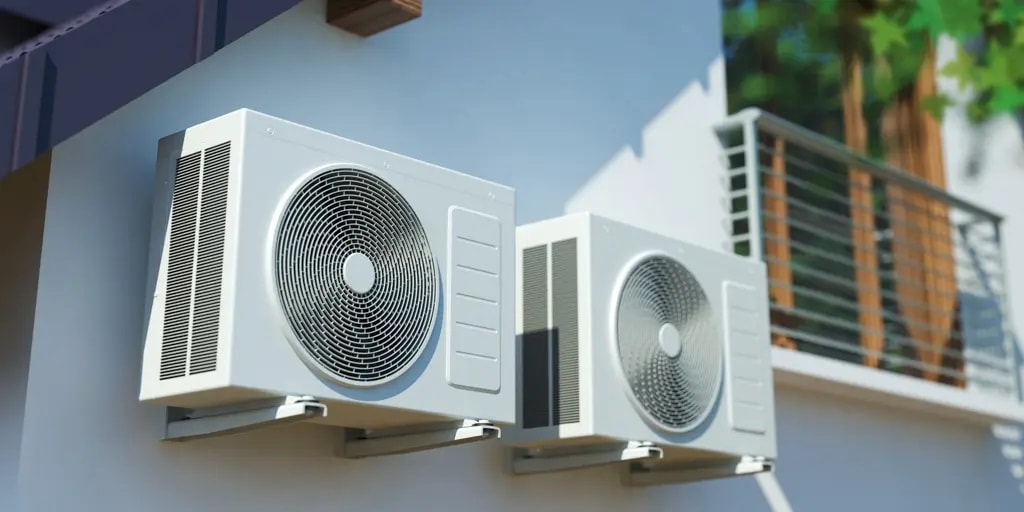
- Checking outdoor units for debris, leaves, or obstructions
- Ensuring adequate clearance around external compressors
- Scheduling professional servicing annually
These tasks help ensure that your AC system operates efficiently and reduces the risk of costly repairs down the line.
Addressing Water Dripping Issues
If you notice water dripping from your air conditioner, it’s a sign that something is wrong and needs immediate attention. The most common cause of this issue is blocked drain pipes, which occur when dust, algae, or debris accumulate in the condensate line.
- Signs of Blocked Drain Pipes: Water pooling around the indoor unit or water stains on walls or ceilings.
- Preventive Measures: Flushing drain lines with warm water and vinegar quarterly can help keep them clear.
Another factor contributing to water dripping problems is dirty filters. When airflow is restricted due to clogged filters, the evaporator coil may freeze and eventually thaw, causing water to drip.
Maintaining Indoor Air Quality
It’s important to remember that filter cleaning not only affects energy efficiency but also indoor air quality. Neglected filters allow dust and allergens to circulate through your home, potentially causing respiratory issues for you and your family.
- Impact of Blacktown’s Dusty Conditions: During dry months in Blacktown, dust levels can be high. This makes consistent filter maintenance even more critical for maintaining good indoor air quality.
- Monitoring Moisture Levels: Keep an eye out for any unusual moisture or pooling water in your home as it could indicate a problem with your AC system.
By following these routine maintenance practices, you can help maintain the efficiency of your air conditioning system while also preventing additional costs associated with energy consumption and potential repairs.
What Factors Should Homeowners Consider When Budgeting for Air Conditioning in 2025?
1. System type must match your home size and specific cooling needs.
A small apartment requires vastly different capacity than a four-bedroom house, with undersized units struggling to cool spaces while oversized systems waste energy and money. Calculate your home’s square footage and consult capacity recommendations before committing to a purchase.
2. Additional installation requirements significantly impact your final budget.
Homes needing electrical panel upgrades, extensive refrigerant piping, or structural modifications for ducted systems face costs beyond the base unit price. Properties with difficult roof access or limited outdoor space for compressor placement often incur extra labor charges.
3. Brand selection directly influences both upfront investment and long-term value.
Premium brands like Mitsubishi Electric and Daikin typically cost $1,500-$4,200 but offer superior warranties and energy efficiency. Budget-friendly options start around $850 yet may require more frequent servicing or earlier replacement.
4. Government rebates for energy-efficient models can offset substantial portions of installation costs.
In 2025, homeowners can take advantage of government rebates for energy-efficient models, which can significantly reduce installation costs. Energy-efficient air conditioning units meeting specific star ratings qualify for state and federal incentives. Research available programs like the consumer rebate program before purchasing, as rebate amounts vary based on system efficiency ratings and household circumstances. Some programs require pre-approval, making early investigation essential for budgeting air conditioning projects.
5. Understanding SEER Ratings Can Aid in Choosing the Right System
When selecting an air conditioning system, it’s crucial to understand the significance of SEER ratings. These ratings reflect the energy efficiency of the system, influencing both operational costs and eligibility for rebates. A higher SEER rating typically indicates better energy efficiency, leading to lower electricity bills and a reduced environmental impact.
Home size AC costs consideration extends beyond purchase price to include ongoing operational expenses and potential future upgrades.
Conclusion
Understanding summary AC costs Blacktown 2025 empowers homeowners to make smart investments in home comfort. The wide range of pricing—from $600 for basic window units to over $12,000 for comprehensive ducted systems—requires careful consideration of your specific needs and budget constraints.
Informed homeowner decisions start with evaluating your home’s size, cooling requirements, and long-term efficiency goals. Comparing multiple quotes, exploring energy-efficient models with potential rebates, and timing installations during off-peak seasons can significantly reduce expenses. The Blacktown Air Conditioning Costs Homeowners Should Know in 2025 include not just equipment prices but also installation extras, maintenance commitments, and operational efficiency.
Taking time to assess all options ensures you’ll select an air conditioning solution that delivers comfort without financial strain throughout the year ahead.
See Also: How to Choose the Right System for Your Home: Air Conditioning Hills District